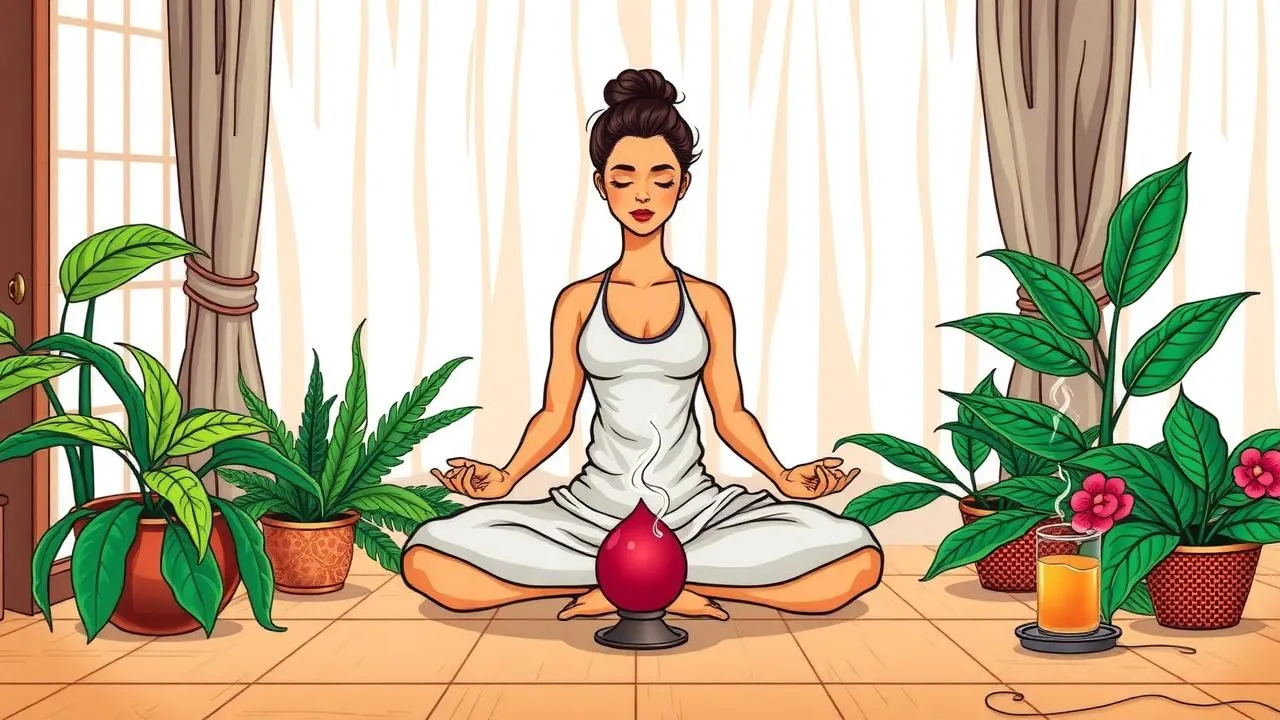
Master the Perfect Sitting Position for Mindful Breathing
Mastering the sitting position for mindful breathing is crucial for a fulfilling meditation practice.
First, focus on your posture: a stable, comfortable position helps keep distractions at bay and lets you focus on your breath.
Create a calm space free from interruptions and warm up with gentle movements like neck rolls to prepare your body.
Consider sitting postures such as the Burmese or Half-Lotus positions, and choose what feels comfortable throughout the session.
If mobility poses challenges, using a chair works too! Incorporate breathing techniques like diaphragmatic and box breathing to enhance relaxation.
Lastly, establishing a consistent routine reinforces the habit for deeper mindfulness over time.

- NATURAL COMFORT & SUPPORT: Filled with sustainable buckwheat hulls, this meditation cushion elevates your practice by aligning your spine and hips – no more achy joints during those long sessions
- CUSTOMIZE YOUR ZEN: Unzip the inner compartment to add or remove buckwheat hulls, creating the ideal firmness for your comfy chair experience – whether you’re meditating or relaxing
- ECO-FRIENDLY DESIGN: The 100% cotton cover keeps your workout space free from microplastics. Machine washable and built to last, it’s as gentle on the planet as it is on your body
- VERSATILE COMPANION: Double as physical therapy equipment or exercise support. The sturdy handle makes it easy to carry from home workouts to outdoor bench sessions
- MINDFUL ENGINEERING: Expertly crafted to boost circulation and maintain proper posture, helping you stay focused on your practice instead of fidgeting for comfort on your yoga mat

Last update on 2026-11-24 / Affiliate links / Images from Amazon Product Advertising API
1. Understanding Posture for Effective Meditation

Posture plays a crucial role in meditation, influencing both breath flow and Acus. When your spine is straight, it helps prevent alertness and fatigue, allowing you to stay present during your practice.
Pay attention to your feet placement; grounding them firmly can enhance your stability. Relaxing your shoulders is equally important, as it releases tension in your neck. Remember to keep your chin slightly tucked, aligning your head with your spine to promote a balanced posture.
If you’re practicing alone, a mirror can help you check your alignment. Being aware of your body’s alignment can deepen your practice and help you experience it more fully, allowing you to connect more fully with your breath. It’s natural to need adjustments; listen to your body and make changes as necessary.
Wearing comfortable clothing is also beneficial, as it allows for greater ease of movement and adjustment.
Finally, keep in mind that your posture may evolve as your practice deepens, so stay open to exploring different positions that work best for you.
2. Setting Up Your Meditation Space
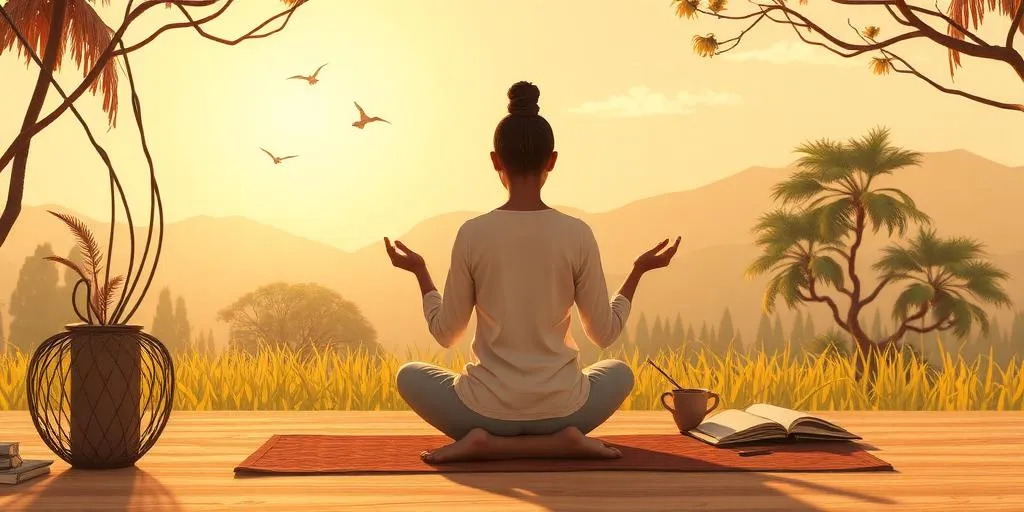
Creating a peaceful meditation space is essential for enhancing your practice. Start by finding a quiet location, away from the usual distractions of daily life.
Natural light can uplift your mood and make the space feel more inviting. Consider using calming colors like soft blues or greens on the walls, as they promote relaxation and focus.
Personal touches, such as plants or artwork that resonates with you, can make it feel special and unique.
It’s important to have a dedicated meditation area, even if it’s small. This signals to your mind that it’s time to switch gears and focus on your practice.
Keep the area clean and organized to eliminate visual clutter, which can distract you during meditation.
Near your meditation spot, place essentials like a cushion, blanket, or journal. If you enjoy background sounds, consider playing soft music or nature sounds to enhance your experience.
Lastly, don’t forget to refresh your space from time to time. Changing up the decor or adding new elements can keep the area inspiring and motivate you to return for your mindful breathing sessions.
3. Recommended Sitting Positions for Yoga
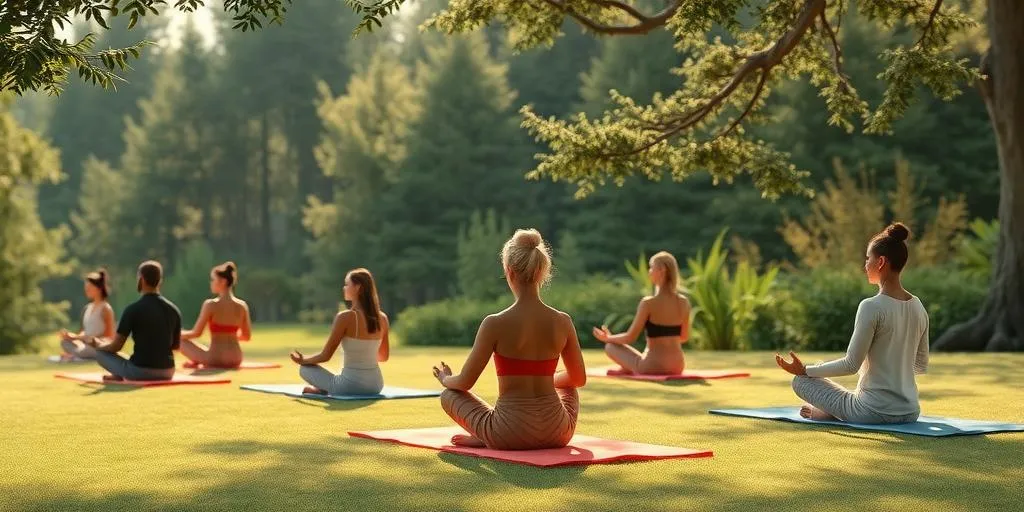
The right sitting position for yoga can greatly enhance your mindful breathing experience. Here are some recommended postures to consider:
Full Lotus (Padmasana) is a classic yoga pose where the feet rest on opposite thighs. It requires a good level of practice, so it’s best for more advanced practitioners. If you’re comfortable in this pose, it can provide a deep sense of grounding.
Easy Pose (Sukhasana) offers a more accessible cross-legged position, suitable for all levels. It’s simple to get into and allows for a relaxed posture; it’s an excellent choice for beginners.
For those who may struggle with sitting up straight, Supported Bridge can be a great option. Here, you lie on your back with a cushion under your knees, allowing your lower back to relax completely and creating a calm, restorative environment.
Sitting on a Block can elevate your hips, making it easier for your legs to settle comfortably. This is particularly beneficial for individuals with tight hips, as it helps maintain an open, relaxed posture.
If sitting on the floor is uncomfortable, the Chair Variation is a convenient alternative. Sit with your feet flat on the floor, keeping your back upright. This position promotes easy breathing while providing stability.
Another comfortable option is Cross-Legged with a Folded Blanket. This position is comfortable for those with knee or hip issues.
For a restorative approach, consider the Reclining Position. Lying back with your knees bent can help calm your mind and body, allowing for deep relaxation and focus on your breath.
If you prefer kneeling, the kneeling position supports your knees while allowing you to sit upright. This can help you stay connected to your breath.
Standing Meditation is another intriguing option, where yth your feet should help. This position promotes a sense of grounding and can be helpful for those who find it hard to stay still for long periods.
Lastly, the Belly Down Pose, where you lie face down, also provides a calming effect. It helps release tension in the body and encourages a sense of surrender, making it easier to focus on your breathing.
| Sitting Position | Des;ription | Benefits |
|---|---|---|
| Full Lotus (Padmasana) | Both feet on opposite thighs, requires flexibility. | Promotes deep meditation and stability. |
| Easy Pose (Sukhasana) | Cross-legged position, suitable for all levels. | Invites relaxation and grounding. |
| Supported Bridge | Lie on your back with a cushion under your knees. | Relaxes lower back and allows for stress release. |
| Sitting on a Block | Elevates hips for easier leg position. Sit upright with feet. | Great for maintaining comfort. |
| Chair Variation | Feet flat on the floor, sit upright. | Facilitates easy breathing while providing support. |
| Cross-Legged with a Folded Blanket | Adds cushioning and height. | Enhances comfort and promotes relaxation. |
| Reclining Position | Lying back with knees bent. | A restorative option to calm the mind. |
| Kneeling with a Cushion | Provides support for the knees. | Allows for an upright posture while comfortable. |
| Standing Meditation | Feet shoulder-width apart. | Encourages grounding while focusing. |
| Belly Down Pose | Lying face down. | Helps calm the mind and release tension. |

- 【ERGO-S DESIGN】 Experience the perfect fusion of fitness and furniture. Our Yoga Chair features a scientifically engineered S-shaped silhouette that mirrors the natural curvature of your spine. Whether you are performing restorative stretches, or simply decompressing after a long day, this ergonomic lounger provides the integrity needed to alleviate spinal pressure and muscle fatigue. It is the ultimate sanctuary for people seeking gentle support and yoga enthusiasts
- 【PREMIUM MATERIAL】 Don’t settle for “sinking” furniture. Engineered with a high-density foam, this yoga chaise offers a “firm-yet-fair” support that won’t lose its shape over time. Wrapped in ultra-soft, breathable corduroy fabric, it provides a tactile, skin-friendly experience. The reinforced non-slip base ensures the chair remains anchored to your hardwood or tile floors, giving you the confidence to move through transitions with absolute stability and safety
- 【4-PIECE WELLNESS SUITE】We believe comfort is personal. Unlike standard loungers, our yoga chair comes as a comprehensive relaxation kit including a detachable headrest, a contoured lumbar pillow, and a matching ottoman. These modular accessories can be adjusted or used independently to provide targeted support where you need it most—be it under your neck, lower back, or knees. Ensuring every user finds their “sweet spot”
- 【VERSATILE LIFESTYLE】From the yoga studio to the gaming room, this yoga chair transitions seamlessly across your home. Its modern aesthetic complements any decor in your bedroom, living room, or home gym. We’ve added side pockets to keep your essentials—smartphones, water bottles, or meditation guides—within arm’s reach, so your flow remains uninterrupted. The yoga chair offers a spacious sanctuary for relaxation, reading, or watching movies
- 【NO ASSEMBLY & EASY MAINTENANCE】Our yoga chairs are vacuum-compressed to minimize shipping volume and reduce our carbon impact. Simply unbox and watch it expand; no tools or frustrating assembly required. While it reaches full size instantly, please allow up to 48 hours for the foam to achieve its peak firmness and luxury loft

Last update on 2026-11-24 / Affiliate links / Images from Amazon Product Advertising API
4. Adapting Meditation with Chair Options
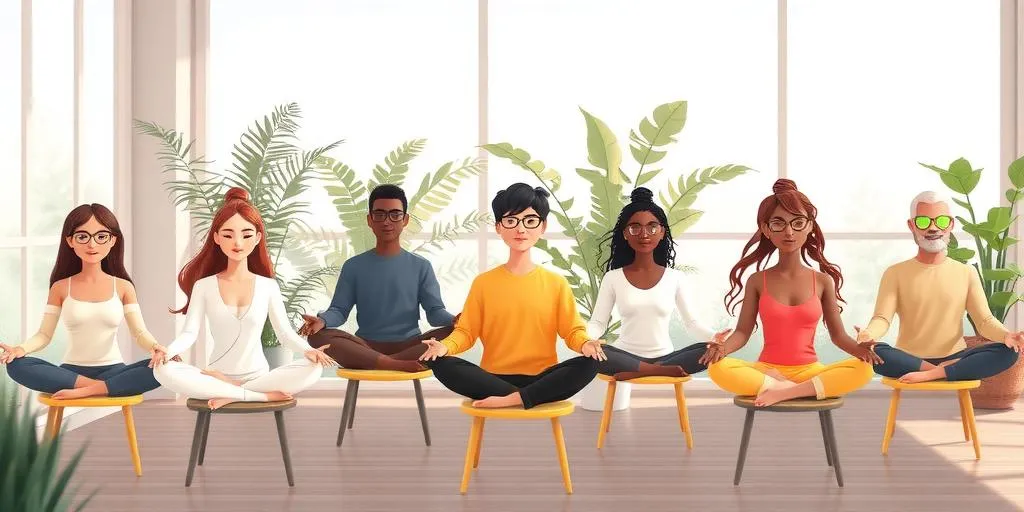
For many, sitting in a traditional yoga position may not be feasible, but that doesn’t mean you can’t enjoy the benefits of mindful breathing. Using a chair can provide a comfortable alternative while still promoting good posture.
Be sure to choose a chair without arms, as armrests limit freedom of movement. When sitting, ensure your feet can touch the floor, keeping your knees and hips aligned. This alignment helps maintain an upright spine, which is crucial for effective meditation.
Sit up straight, using the chair back for support, but avoid leaning back too much; the goal is to stay engaged.
Also, if the chair is uncomfortable, add a cushion for extra support and stability. Avoid crossing your legs; instead, keep them parallel and if you’re able, keep them slightly apart. If necessary, adjust the chair height to promote optimal posture.
If you need extra encouragement to stay engaged, a yoga strap around your feet can help. This strap can remind you to maintain alignment and keep your focus on your breath.
Remember, everyone is different, so don’t hesitate to experiment with various chatake what feels best for you.
If you’re sitting for an extended period, it’s wise to incorporate short breaks to stand, stretch, and reset your posture.
Lastly, as you settle into your chair, visualize your breath flowing freely, allowing you to deepen your practice even in this modified position.
- Choose a chair without arms to encourage freedom of movement.
- Ensure feet can touch the floor, keeping knees and hips aligned.
- Sit up straight, using the chair back for support without leaning back too much.
- Consider using a cushion for needed support.
- Avoid crossing legs; keep them parallel and grounded.
- Adjust chair height if necessary to promote optimal posture.
- Use a yoga strap around the feet to encourage engagement if needed.
- Experiment with different chair styles to find what feels best.
- Incorporate short breaks if sitting for extended periods.
- Visualize your breath flowing freely while seated in the chair.
5. Essential Breathing Techniques to Try

Breathing techniques are key to enhancing your mindful breathing practice. One popular method is Alternate Nostril Breathing, where you inhale through one nostril and exhale through the other. This technique helps balance your energy and calm the mind.
Ujjayi Breathing is another effective practice; by slightly constricting your throat while inhaling, you create a soothing sound that can deepen your focus.
Auto-healing breathing is great for relaxation. Simply inhale through your nose and exhale slowly through pursed lips, which helps release tension. For a more comprehensive approach, try the 3-Part Breath (Dirga Pranayama).
This technique involves inhaling deeply to fill your belly, ribs, and chest, maximizing oxygen intake. Long Exhale Breathing is also beneficial; extending your exhale can activate your parasympathetic nervous system and promote relaxation.
Breath Counting can be a useful tool to maintain focus during your practice. By counting each inhale and exhale, you can minimize distractions. If you seek calm, Resonant Breathing might be your go-to: inhale for a count of six and exhale for the same duration.
Ocean Breath (Ujjayi) mimics the sound of ocean waves, providing a calming effect through slight throat constriction during exhalation.
Visualization with Breath can elevate your practice as well. Picture inhaling light and exhaling tension to deepen your mindfulness.
Lastly, Sighing Breath is a simple yet effective method: inhale through your nose and then exhale loudly through your mouth to release stress. Incorporating these techniques can significantly enrich your mindful breathing experience.

- 【ERGO-S DESIGN】 Experience the perfect fusion of fitness and furniture. Our Yoga Chair features a scientifically engineered S-shaped silhouette that mirrors the natural curvature of your spine. Whether you are performing restorative stretches, or simply decompressing after a long day, this ergonomic lounger provides the integrity needed to alleviate spinal pressure and muscle fatigue. It is the ultimate sanctuary for people seeking gentle support and yoga enthusiasts
- 【PREMIUM MATERIAL】 Don’t settle for “sinking” furniture. Engineered with a high-density foam, this yoga chaise offers a “firm-yet-fair” support that won’t lose its shape over time. Wrapped in ultra-soft, breathable corduroy fabric, it provides a tactile, skin-friendly experience. The reinforced non-slip base ensures the chair remains anchored to your hardwood or tile floors, giving you the confidence to move through transitions with absolute stability and safety
- 【4-PIECE WELLNESS SUITE】We believe comfort is personal. Unlike standard loungers, our yoga chair comes as a comprehensive relaxation kit including a detachable headrest, a contoured lumbar pillow, and a matching ottoman. These modular accessories can be adjusted or used independently to provide targeted support where you need it most—be it under your neck, lower back, or knees. Ensuring every user finds their “sweet spot”
- 【VERSATILE LIFESTYLE】From the yoga studio to the gaming room, this yoga chair transitions seamlessly across your home. Its modern aesthetic complements any decor in your bedroom, living room, or home gym. We’ve added side pockets to keep your essentials—smartphones, water bottles, or meditation guides—within arm’s reach, so your flow remains uninterrupted. The yoga chair offers a spacious sanctuary for relaxation, reading, or watching movies
- 【NO ASSEMBLY & EASY MAINTENANCE】Our yoga chairs are vacuum-compressed to minimize shipping volume and reduce our carbon impact. Simply unbox and watch it expand; no tools or frustrating assembly required. While it reaches full size instantly, please allow up to 48 hours for the foam to achieve its peak firmness and luxury loft
Last update on 2026-11-24 / Affiliate links / Images from Amazon Product Advertising API
6. Simple Movements to Prepare Your Body
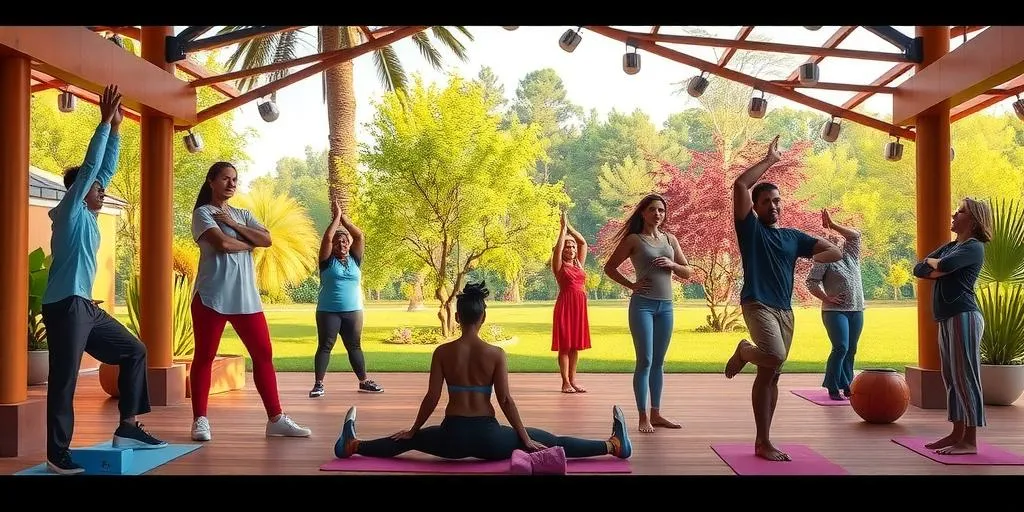
Before you settle into a yoga position for mindful breathing, prepare your body with gentle movements. Start with neck rolls: slowly roll your head side to side to relieve neck tension.
Next, try shoulder shrugs: lift your shoulders toward your ears, then release them down. This simple action promotes relaxation.
Don’t forget about your wrists and ankles. Rotating these joints can help loosen them up, making it easier to sit still. You might also want to try the Cat-Cow stretch.
This involves arching and rounding your spine, which gently increases flexibility and heightens your awareness of your body.
Side stretches are another great option; reach your arms overhead and lean to each side to open up your torso. This can create a feeling of space and ease in your body. Forward bends are helpful too; they release lower back tension and encourage a calmer mindset.
Hip openers, like seated twists, can ease hip tightness, which is crucial for comfort during meditation. Gentle spinal twists also promote spinal health while increasing blood flow, helping your body feel more awake and prepared for stillness.
If you have the room, consider doing leg swings. Stand and gently swing each leg to loosen your hip joints. To finish, calf raises can strengthen your legs and prepare them for sitting still, giving you a solid foundation.
These simple movements set the stage for a more mindful and effective breathing practice.
7. Starting with Deep Breathing Techniques

To begin your journey into mindful breathing, find a comfortable seated position where you feel at ease. Start by focusing on the natural flow of your breath, noticing how it feels as it enters and leaves your body.
Inhale deeply through your nose, allowing your abdomen to expand first, then let the breath fill your chest. This deep inhalation helps to ground you. As you exhale slowly through your mouth, feel the tension melt away, and let your body relax more with each breath.
Enhance your experience with visualization: notice yourself inhaling calmness and exhaling stress. Set a timer for a few minutes to help you stay focused during this practice. As you breathe, pay attention to the sensations in your body.
Notice where you might be holding tension, and let your breath encourage relaxation in those areas.
With each breath, practice gratitude by acknowledging the present moment, appreciating the air filling your lungs. You might also incorporate positive affirmations during your breathing, such as “I am calm” or “I am present,” to lift your mood and mindset.
As you become more comfortable with deep breathing, gradually increase the time you spend practicing. Experiment with different rhythms; try inhaling for a count of four and exhaling for a count of six to find what feels best for you.
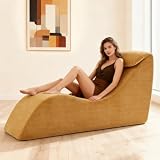
- 【Comfortable Headrest Design】This yoga chair features a comfortable headrest design that’s more ergonomically optimized, offering greater comfort than ordinary recliners.
- 【Removable Cover Design】This yoga chair for adults features a detachable cover, making cleaning and maintenance a breeze.
- 【Comfortable Fabric】Our yoga lounge chair features chenille fabric that feels soft and cozy against your skin. It also offers superior breathability, so you won’t feel stuffy even during extended periods of sitting.
- 【No Assembly Required】: This yoga chaise comes in a vacuum-sealed box and requires no assembly. Simply unpack it and allow up to 48 hours for it to expand to its full shape and support level. Enjoy instant comfort without the hassle of assembly.
- 【Anti-slip bottom design】The bottom of this yoga sofa features an anti-slip design to ensure stability during exercise, prevent slipping, and make your workout safer and more reliable.
Last update on 2026-11-24 / Affiliate links / Images from Amazon Product Advertising API
8. Using Props for Better Support

Props can significantly improve your comfort and stability during meditation. A meditation cushion, or zafu, can elevate your hips, which helps align your spine properly.
When your knees are lower than your hips, you’ll find it easier to maintain a comfortable posture for longer periods. If you need extra support while stretching, yoga blocks can provide that needed stability, making your practice more enjoyable
Bolsters can also assist in seated positions, offering back support and helping you relax deeper into your breath. If sitting on the floor feels hard or cold, using a blanket can add a layer of cushioning and warmth, creating a cozy environment for meditation.
Straps can assist with stretches, helping you gradually increase your flexibility without straining. When you want to block out distractions, eye pillows can shield your eyes from light, promoting relaxation and helping keep your spine aligned.
If you have mobility issues, consider using a chair. Sitting at the edge with your feet flat on the floor can provide the support you need while still allowing for an upright spine.
Don’t forget about utilizing wall space; leaning against it or using it for stretches can enhance your practice. Experiment with different props to find what works best for you.
By incorporating these tools, you can create a sense of security in your meditation practice, allowing you to focus on your breathing and mindfulness.
9. Common Challenges and How to Overcome Them

Many people face challenges when trying to sit for mindful breathing during a yoga session.
One common issue is difficulty sitting still. If you find it hard to stay still, start with shorter sessions—maybe just five minutes—and increase the time as you get more comfortable.
Physical discomfort can also be a barrier. If you feel pain or pressure, don’t hesitate to adjust your position or use props like cushions to support yourself.
Mind wandering is another challenge; when thoughts drift, simply acknowledge them and gently bring your focus back to your breath.
Boredom can creep in too, especially during longer sessions. To combat this, try different breathing techniques or change your meditation location to keep things fresh. Watch for fatigue, as it can affect your ability to focus.
Maintain good posture, and if you’re too tired, consider shortening your practice. If you feel sleepy, energizing breaths can help; some people even prefer to meditate while standing to stay alert.
Restlessness can make sitting still feel impossible. Before your meditation, try a few gentle movements to release excess energy. If you feel frustrated with your progress, remind yourself that meditation is a journey, and it’s okay to be patient with yourself.
Environmental distractions might also pull your attention away. Using calming sounds or visuals can help you stay engaged. Lastly, if you’re feeling impatient, remember that growth takes time, and even small steps forward matter.
10. Tips for Establishing a Consistent Routine
Creating a consistent meditation routine can make all the difference in your practice. Start by setting a specific time each day dedicated to your mindful breathing.
This helps build a habit that becomes part of your daily life. If you’re just starting out, keep your sessions short, even as brief as 5 minutes.
This approach reduces pressure and allows you to gradually ease into longer practices. Tracking your progress in a journal can also be motivating; it allows you to see how far you’ve come over time.
Establishing a pre-meditation ritual can enhance your experience. Simple acts like lighting a candle or playing soft music can signal to your mind that it’s time to focus.
Avoid digital distractions by leaving your phone in another room to create space for deeper contemplation. If it helps, use a meditation timer to guide you. This adds a layer of accountability and helps you stay committed.
Flexibility is key. Don’t hesitate to adjust your practice as needed.
Whether it’s changing the time you meditate or trying different techniques, staying adaptable can help keep your commitment strong. Exploring various styles or methods can also add excitement to your routine.
Celebrate milestones, no matter how small they seem; recognizing your progress reinforces positive behavior.
And always remember, on busy days, returning to your practice can serve as a grounding anchor, helping you stay focused amid the chaos.

- BUILT STRONG FOR EVERY KIND OF FLEXIBILITY : Hybrid wood + metal frame gives this yoga chair unmatched stability-whether you’re flowing through yoga poses, exploring deeper stretches, or simply finding your most comfortable position. Built to support movement and creativity.
- 330 LB HEAVY-DUTY SUPPORT : NO LIMITS, JUST FLOW : Engineered as a reliable yoga bench, this sturdy design supports up to 330 lbs with ease – so you can stretch, lean, recline, and hold positions longer with total confidence.
- ERGONOMIC CURVE THAT WORKS WITH YOUR BODY : This yoga chaise lounge is designed to follow your natural shape-supporting spine, hips, and legs-helping you unlock deeper stretches, better posture, and a more relaxed experience.
- SOFT, SUPPORTIVE & MADE TO LINGER LONGER : Premium microfiber upholstery + high-density foam create the perfect balance of softness and support. Whether you’re stretching, meditating, or just unwinding after a long day, this lounge invites you to stay a little longer.
- ANTI-SLIP BASE – STAYS PUT WHEN THINGS GET FLEXIBLE : The textured anti-slip bottom panel and extra-wide stable base help keep every stretch, pose, and movement confidently grounded – even when the session gets adventurous.
Last update on 2026-11-24 / Affiliate links / Images from Amazon Product Advertising API
Frequently Asked Questions
What is the best way to sit in a yoga position for mindful breathing?
To sit comfortably in a yoga position for mindful breathing, find a quiet space, sit cross-legged or in a chair, keep your back straight, relax your shoulders, and place your hands on your knees or in your lap.
How long should I sit in this position?
Start with about 5 to 10 minutes. As you get more comfortable with mindful breathing, you can gradually sit longer.
What should I do if I feel uncomfortable while sitting?
If you feel uncomfortable, you can adjust your position or use props like cushions or blankets for support. It’s important to be comfortable to focus on your breath.
Can I practice mindful breathing if I am a beginner?
Absolutely! Mindful breathing is great for beginners. Just focus on your breath and don’t worry about doing it perfectly.
What are some tips for staying focused while breathing mindfully?
To stay focused, close your eyes, breathe deeply and slowly, and if your mind wanders, gently bring your attention back to your breath without judgment.
Mastering the yoga sitting position is key for mindful breathing and effective meditation. Start by understanding the importance of posture and creating a calming meditation space.
Explore recommended sitting postures like Burmese, Half-Lotus, and Seiza, or consider chair options. Maintain proper posture to overcome.
Practice essential breathing techniques such as diao to enhance focus. Simple movements can prepare your body for stillness, while using props can provide added support.
Overcome common challenges like distractions and restlessness by maintaining proper posture. Establish a consistent routine by starting small and gradually increasing meditation time for better mental clarity and well-being.