Unlocking the Power of Eagle Pose: A Pathway to Balance and Clarity
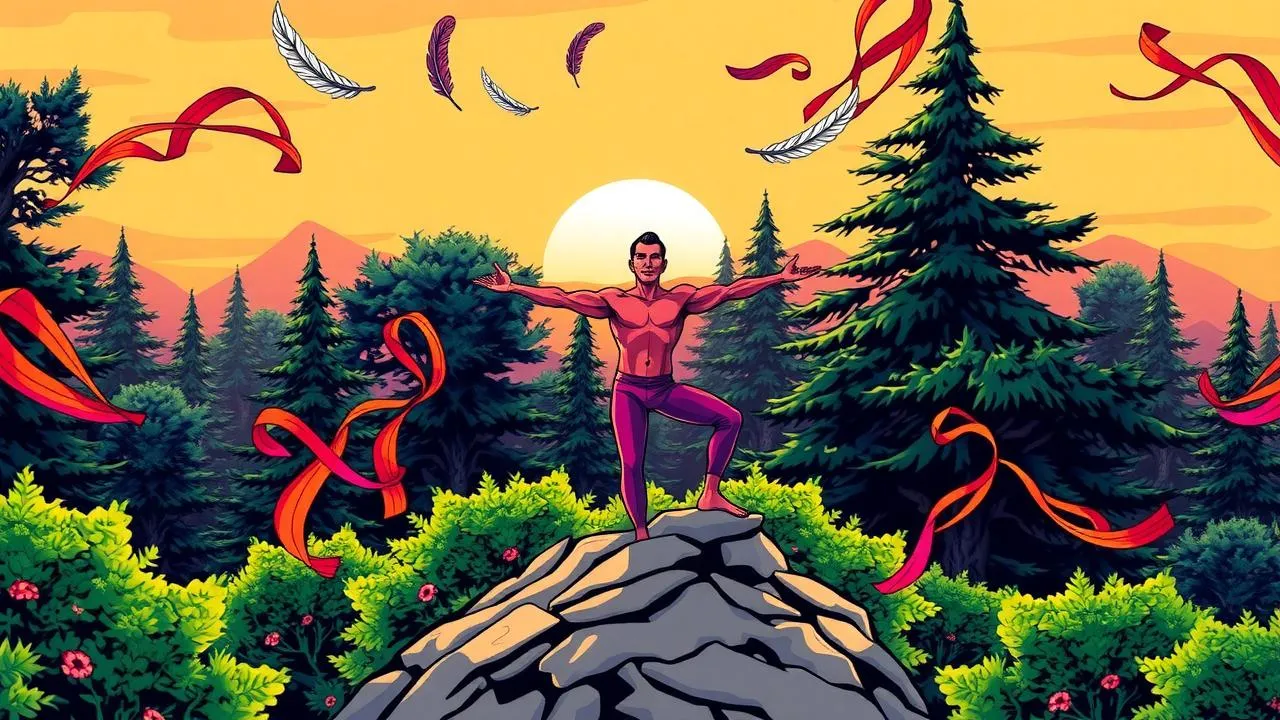
Eagle Pose, or Garudasana, is a remarkable yoga position that symbolizes the strength and elegance of the eagle, considered the king of birds in Hindu mythology.
In this pose, you wrap your arms and legs around each other, creating a compact form that challenges your balance and coordination.
Physically, it improves stability by engaging core muscles and offers substantial flexibility benefits for the shoulders and thighs.
Additionally, practicing Eagle Pose can boost circulation while promoting deep breathing. On the mental side, it enhances focus and clarity as you work to maintain your balance.
With regular practice, you’ll likely find both your body and mind benefiting significantly from this unique pose.

Last update on 2026-10-27 / Affiliate links / Images from Amazon Product Advertising API
What is Eagle Pose?
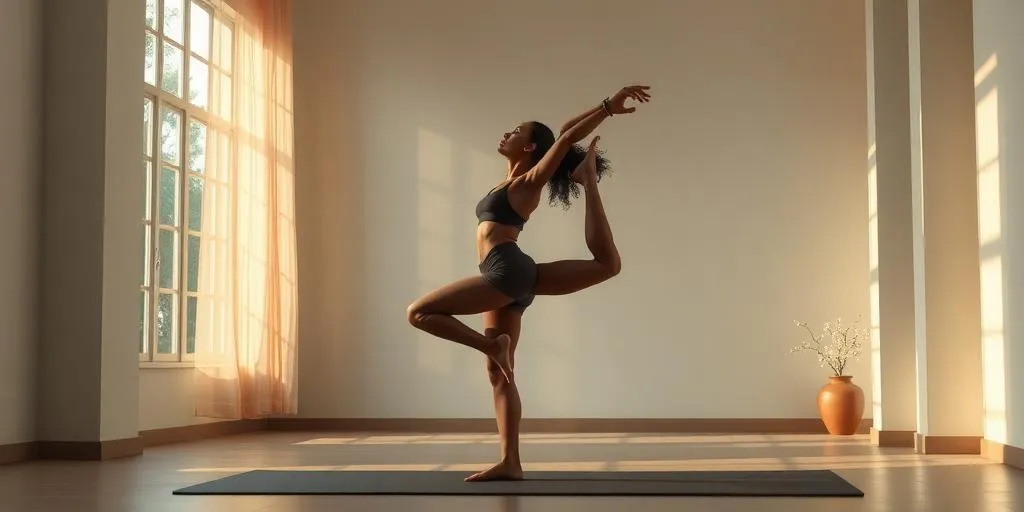
Eagle Pose, or Garudasana, beautifully merges the concepts of strength and grace, embodying the spirit of the eagle.
Named after Garuda, the mythical king of birds in Hindu culture, this pose symbolizes freedom and power.
To enter Eagle Pose, you cross your legs and arms, creating a compact and unique shape that challenges your balance and flexibility.
As a standing balance pose, it requires a good amount of coordination and focus, making it accessible to individuals at all levels, from beginners to seasoned yogis.
Practicing this pose not only helps you center yourself but also connects you with the present moment.
You’ll find Eagle Pose featured in various styles of yoga, including Hatha and Vinyasa, and it can lead to significant improvements in both your physical and mental health.
Regular practice enhances body awareness and mindfulness, and adds a playful element as you explore different body movements and improve spatial awareness.
Physical Benefits of Eagle Pose

Practicing Eagle Pose brings a range of physical benefits that can enhance your overall well-being.
First off, it significantly improves balance and coordination by engaging multiple muscle groups, which is essential for stability in daily activities.
This is especially beneficial for athletes and dancers, as it sharpens body control.
Another advantage of this pose is its ability to enhance flexibility in the hips, shoulders, and upper back. This increased flexibility can help prevent injuries and alleviate stiffness.
As you wrap your limbs around each other, you’re also stretching these key areas, making your body more agile.
Eagle Pose is also a fantastic way to strengthen major muscle groups.
It tones the legs, arms, and core, strengthening the entire body. This full-body workout is excellent for building endurance, especially when you hold poses for extended periods.
Moreover, the twisting motion of the pose boosts circulation by encouraging blood flow to the extremities.
This can aid in detoxifying the body and improving overall health as you breathe deeply while in the pose.
You also stimulate your digestion and support organ function.
Many people find that Eagle Pose helps relieve muscle tension, especially in the shoulders and back.
Wrapping the arms and legs can promote relaxation, making it a great way to unwind after a long day.
Finally, this pose encourages deep breathing through proper alignment, enhancing lung capacity and respiratory health.
The mindfulness required in maintaining the pose can also help alleviate symptoms of stress and anxiety, fostering a sense of calm and focus.

- COMPLETE 108-CARD YOGA SET: A warm, welcoming deck featuring 101 illustrated posture cards, 2 gentle Sun Salutations, Chakra guide, and 2 index cards. Perfect beginner-friendly yoga flashcards for women, home practice, and teachers.
- 12 EASY SEQUENCES & CUSTOM FLOWS: Step onto your mat with confidence. Follow 12 pre-made flow routines designed for stress relief, flexibility, and core strength, or easily mix and match cards to create your own gentle daily routine.
- CLEAR ALIGNMENT CUES & VISUAL GUIDES: Learn safely at your own pace. Each extra-large card features clear visual illustrations, easy alignment cues, benefits, target muscles, and optional Sanskrit names to build a safe, confident practice.
- QUICK-FIND INDEX SYSTEM: No more searching mid-practice. Quickly find any pose in seconds with 2 bonus index cards, neatly categorized by pose type and numbered for simple, stress-free deck organization.
- INSPIRING YOGA GIFT FOR WOMEN & TEACHERS: Beautifully packaged in a sturdy, gift-ready box. A thoughtful wellness gift set for yoga lovers, beginners starting their journey, teacher training, or self-care routines.
Last update on 2026-10-27 / Affiliate links / Images from Amazon Product Advertising API
| Benefit | Description |
|---|---|
| Improves Balance and Coordination | Enhances stability by engaging core muscles for better body control, beneficial for athletes and dancers. |
| Enhances Flexibility | Significantly stretches the shoulders, upper back, and thighs, improving mobility and alleviating stiffness. |
| Strengthens Muscles | Encourages mindfulness and breath control, reducing tension in the shoulders and back. |
| Boosts Circulation and Detoxification | Tone legs, thighs, and calves while strengthening arms, shoulders, and back for a full-body workout. |
| Relieves Stress and Anxiety | Encourages mindfulness and breath control, reducing tension in shoulders and back. |
| Promotes Deep Breathing | Opens the upper body, facilitating deeper breathing. |
| Increases Mental Clarity | Requires focus, quieting the mind, leading to improved concentration. |
Mental Benefits of Eagle Pose
Eagle Pose offers a range of mental benefits that go beyond physical strength and balance.
Firstly, it cultivates inner strength by challenging practitioners to maintain a focused, stable posture, thereby building resilience.
The complexity of the pose promotes mindfulness by requiring deep concentration and presence in the moment, helping quiet the mind and reduce distractions.
Practicing Eagle Pose fosters a deeper connection between the body and mind, enhancing self-awareness and assisting individuals to tune into their thoughts and feelings.
Moreover, this pose can significantly improve mental clarity and focus, which is beneficial for daily tasks and responsibilities.
As practitioners hold the pose, they develop patience and perseverance, learning to work through challenges, both on and off the mat.
The practice can also serve as a meditative experience, offering space for reflection and mental relaxation.
Engaging in Eagle Pose enhances cognitive function by requiring coordination and balance, which stimulates brain activity. This mental engagement can help clear mental fog, leading to better decision-making and problem-solving skills.
Additionally, as individuals successfully navigate the pose, they often experience a sense of accomplishment that boosts self-esteem and confidence.
Finally, by promoting mindful movement, Eagle Pose helps release tension and stress, contributing to overall emotional balance.
Steps to Perform Eagle Pose
- Begin in Mountain Pose, standing tall with your feet together and arms at your sides.
- Shift your weight onto your left foot, keeping your core engaged to maintain balance.
- Cross your right leg over your left thigh, wrapping your foot behind the left calf if possible.
- Extend your arms forward at shoulder height, crossing your right arm under your left.
- Wrap your arms so the palms touch or get as close as possible, creating a solid grip.
- Focus your gaze on a fixed point in front of you to help maintain balance.
- Hold the pose for 5-10 deep breaths, feeling the stretch and strength in your body.
- Slowly unwind your arms and legs, returning to Mountain Pose before switching sides.
- Repeat the process on the opposite side, ensuring equal practice for both legs and arms.
- Practice regularly to improve your ability to hold the pose and deepen your understanding of its benefits.

- Wall Art Print “Standing Forward Fold, Chair, Eagle Yoga Pose” FRAMED Print Yoga Wall Art
- Choose from 3 wooden frame colors, Black, Light Brown or White.
- Choose between either 5″ x 7″, 8″ x 10″ or 11″ x 14″ size art prints
- Printed on Heavy matte paper with textured finish.
- Great to place anywhere in the home or office.
Last update on 2026-10-27 / Affiliate links / Images from Amazon Product Advertising API
Modifications for Eagle Pose
For those just starting, it can be helpful to begin with Chair Pose. This pose helps to engage your legs and build strength before you attempt Eagle Pose.
If wrapping your arms around each other feels challenging, you can place your hands on opposite shoulders or press your forearms together for support.
For leg modifications, keep the toes of your lifted foot on the ground for added stability, or cross your ankles without wrapping them.
If balance is an issue, using a wall or chair can provide the support you need.
Another option is to perform the pose seated in a chair, crossing your legs and arms to enjoy the stretch without the standing balance challenge.
If you’re not comfortable holding the pose for long, focus on shorter holds to gradually build your confidence and strength.
Incorporating props, such as blocks, can also assist with balance and alignment if needed.
It’s essential to adjust the depth of your leg wrap to your comfort level, ensuring no strain on your knees or hips.
Practicing with a partner or in front of a mirror can provide valuable feedback on your alignment and technique.
Most importantly, listen to your body and make adjustments that feel right for you, ensuring a safe and enjoyable practice.
Contraindications for Eagle Pose
Eagle Pose can be an excellent addition to your yoga practice, but it’s essential to be cautious about when to avoid it.
If you have knee or ankle injuries, it’s best to skip this pose, as the twisting and wrapping can cause more pain or discomfort.
Those with severe arthritis or joint pain should also think twice, unless they can apply modifications that make it safer. If you have high or low blood pressure, consulting your healthcare provider before attempting this pose is wise.
Pregnant individuals should avoid Eagle Pose due to balance challenges and potential pressure on the abdomen.
Similarly, anyone recovering from recent surgery should check with a doctor before trying it.
If you start to feel dizzy or lightheaded while in the pose, it’s important to ease out of it slowly and safely.
People who suffer from chronic headaches or migraines should also approach this pose with caution, as it might trigger discomfort.
Always listen to your body’s signals: if you feel any pain or discomfort, it’s best to discontinue the pose.
Prioritizing safety and comfort over fully expressing Eagle Pose is crucial. If you have specific health concerns, consider consulting a yoga instructor for tailored modifications.
Common Challenges in Eagle Pose
Many practitioners find balancing in Eagle Pose a significant challenge.
Crossing the legs and arms can feel precarious, especially for those new to yoga. Flexibility plays a crucial role as well; tight hips and shoulders can make the pose difficult to hold.
For beginners, simply maintaining the pose for an extended time can lead to muscle fatigue, which can be discouraging. Finding the proper alignment is essential, and it often requires focusing on form rather than how deep you can go into the pose.
Some might notice that breathing deeply becomes a challenge due to upper-body constriction, which can add to the feeling of being overwhelmed. It is essential to be patient with yourself as you work through these hurdles.
Regular practice will help build the necessary strength and confidence.
Modifications can also make the pose easier and more accessible.
Practicing near a mirror can help check alignment and adjust as needed. Remember, everyone faces challenges in their practice, and it’s all part of the journey.
- Many practitioners struggle with balance, particularly when crossing the legs and arms.
- Flexibility in the hips and shoulders can pose challenges, often requiring consistent practice to improve.
- Holding the pose for an extended time can lead to muscle fatigue, especially for beginners.
- Finding the proper alignment can be tricky, making it essential to focus on form over depth.
- Some may have difficulty breathing deeply in the pose due to upper-body constriction.
- The complexity of the pose can be overwhelming, leading to frustration for new practitioners.
- Regular practice can help overcome these challenges and build confidence and skill over time.
- Using modifications can alleviate some difficulties, making the experience more comfortable.
- Practicing near a mirror can help check alignment and make necessary adjustments.
- It’s essential to be patient and gentle with yourself as you work through these challenges.
Historical and Cultural Context
- Mythological Origins: In Hindu mythology, Garuda is a bird-like creature that serves as the mount of Lord Vishnu. The pose reflects the qualities of strength, speed, and grace associated with this deity.
- Symbolism: Eagle Pose not only signifies physical strength but also embodies the spiritual journey of rising above challenges, as an eagle soars high.
Variations and Advanced Techniques
- Eagle Pose with a Backbend: For those looking to deepen the pose, a backbend can enhance the stretch in the chest and shoulders.
- Seated Variation: Practitioners can perform a seated version of Eagle Pose, which is accessible for those who might find standing poses challenging.
Breathing Techniques
- Ujjayi Breath: Incorporating Ujjayi (victorious) breath can enhance endurance in the pose, helping to maintain focus and calmness during practice.
- Deep Breathing: Synchronizing breath with movement deepens practitioners’ focus and enhances the meditative aspect of the pose.
Additional Benefits
- Joint Health: The twisting action of Eagle Pose promotes synovial fluid circulation, which can improve joint health and mobility.
- Digestive Aid: The compression of the abdominal area during the pose can stimulate digestion and improve overall gut health.
Common Misalignments and Fixes
- Knee Alignment: Keeping the knees aligned with the toes during the pose can help prevent unnecessary strain.
- Upper Body Alignment: Practitioners should avoid hunching their shoulders; instead, aim to keep their chest open and shoulders relaxed.
Mindfulness and Meditation
- Meditative State: Holding Eagle Pose can serve as a contemplative practice, fostering a sense of calm and presence, and allowing thoughts to settle.
- Focus Enhancement: The balancing act requires intense concentration, which can transfer to other areas of life by improving overall mindfulness.
Preparation and Warm-Ups
- Pre-Pose Warm-Ups: Engaging in poses that open the hips and shoulders, such as Downward Dog or Tree Pose, can prepare the body for the complexity of Eagle Pose.
- Gentle Twists: Incorporating gentle twists before attempting the pose can help mobilize the spine and create space for the twist required in Eagle Pose.
Eagle Pose is a holistic practice that offers physical, mental, and spiritual benefits. Its rich history, coupled with its various adaptations and enhancements, makes it a versatile addition to any yoga practice, regardless of skill level.
Sources Used for Research
To explore the benefits and intricacies of Eagle Pose, a variety of reputable sources were consulted.
For a foundational understanding, articles from Yogic Experience provided insights into the numerous benefits and the steps for performing the pose.
Fit Life contributed practical tips for mastering Eagle Pose, highlighting common mistakes practitioners might encounter.
The comprehensive guide from Yoga East West further enriched the discussion by detailing advanced techniques and variations.
Additionally, insights from Yog Peeth Rishikesh emphasized the powerful benefits and necessary modifications for different skill levels.
Beyond written articles, research studies published in health and wellness journals provided scientific backing for claims about yoga’s benefits.
Interviews with experienced yoga instructors offered valuable personal insights, while workshops and classes focused on advanced techniques provided firsthand experience in mastering Eagle Pose.
Furthermore, community forums and online yoga classes served as platforms for practitioners to share their experiences and tips, enriching the overall understanding of this pose.
Books authored by recognized yoga experts also contributed to the depth of knowledge, ensuring a well-rounded exploration of Eagle Pose.

- Yoga Meditation design.
- Crafted from a unique 40 singles tri-blend fabric, offering a lightweight, ultra-soft feel
- Classic crew neck design with side-seam construction ensures both comfort and a flattering silhouette
- Lighter colors are semi-sheer

Last update on 2026-10-27 / Affiliate links / Images from Amazon Product Advertising API
Frequently Asked Questions
What are the main benefits of doing the Eagle Pose in yoga?
Eagle Pose can help improve your balance, strengthen your legs, and even stretch your shoulders and upper back. It also promotes focus and calmness, making it great for both your body and mind.
Can anyone practice Eagle Pose, or is it too difficult for beginners?
While Eagle Pose may seem tricky, many beginners can still try it with some modifications. It’s all about finding a variation that fits your level and gradually building up your strength and balance.
How does Eagle Pose affect my flexibility?
Eagle Pose helps increase flexibility in the hips and shoulders. As you practice, you may notice a greater range of motion, which can enhance your overall yoga practice.
Should I avoid Eagle Pose if I have any injuries?
If you have injuries, especially in your knees, wrists, or back, it’s best to consult with a healthcare professional or your yoga instructor before trying Eagle Pose. Safety is important!
How long should I hold Eagle Pose for the best results?
Holding Eagle Pose for about 15 to 30 seconds is usually effective for beginners. As you become more comfortable, you can extend the hold to increase the benefits.
Eagle Pose, or Garudasana, is a standing balance pose that combines strength and flexibility, engaging the core while stretching the shoulders and thighs.
Physically, it improves balance, circulation, and muscle tone, while mentally, it promotes focus and reduces stress. To perform it, start in Mountain Pose, wrap your legs and arms, and hold the position for several breaths.
Beginners can use modifications for stability, but it’s essential to avoid this pose if you have knee or ankle issues.
Regular practice can enhance physical fitness and mental clarity.



2 Comments