Unlocking Flexibility: Mastering Yoga Hip Openers for Tight Hips
Tight hips can be a real hassle for many people, often stemming from long hours of sitting or certain activities that limit movement.
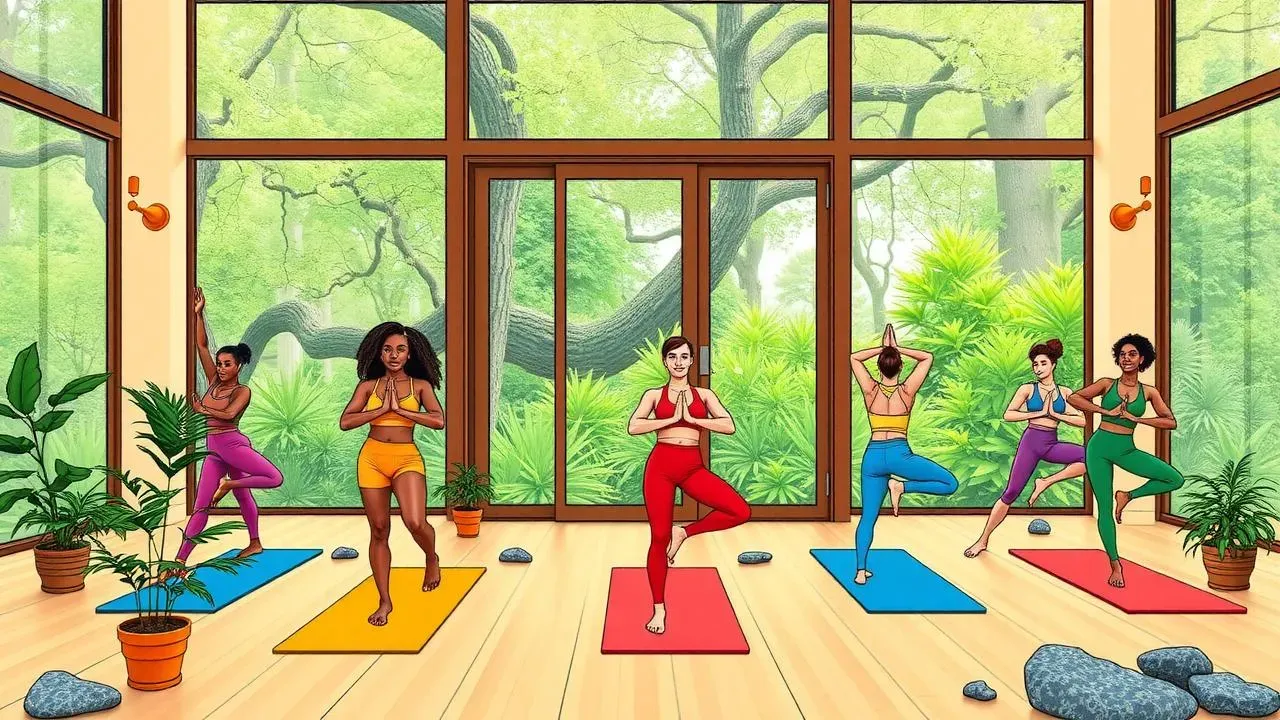
Yoga hip openers are an excellent way to relieve this discomfort and boost flexibility and mobility.
To start easing your tightness, it’s essential to understand how these issues might affect your daily life, such as walking and posture. Incorporating poses like the Butterfly Stretch or Pigeon Pose into your routine can work wonders.
Remember to warm up first and listen to your body as you explore these stretches, letting each breath guide you toward relief and relaxation.

Last update on 2026-03-22 / Affiliate links / Images from Amazon Product Advertising API
1. Understanding Tight Hips
Tight hips are a common issue for many people, often stemming from long hours of sitting, especially in office jobs. When you sit for extended periods, your hip flexors can shorten and tighten, leading to discomfort and stiffness.
This tightness can limit your range of motion, making activities like walking or climbing stairs more challenging. Inactivity also contributes to muscle imbalances around the hips, which can result in lower back pain and pelvic discomfort.
It’s essential to recognize that factors such as age, genetics, and physical activity level can influence hip tightness.
Moreover, certain sports and exercises, particularly those involving repetitive motion, can exacerbate this issue.
Understanding how your body moves is key to identifying the causes of your hip tightness.
By being aware of your hip health, you can take proactive steps to maintain an active lifestyle and improve your overall balance and stability during physical activities.
2. Benefits of Yoga for Tight Hips
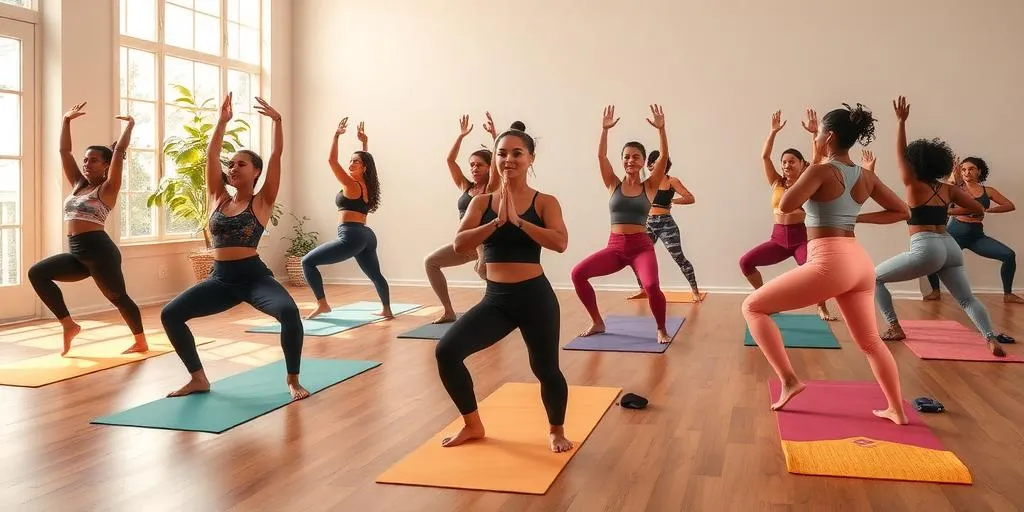
Yoga offers numerous benefits for those struggling with tight hips.
First and foremost, it promotes increased blood flow to the hip area, which aids in flexibility and helps eliminate stiffness.
By practicing yoga, you can release tension built up in tight muscles, providing instant relief that feels rejuvenating. Regularly integrating yoga into your routine can significantly improve your posture and spinal alignment, reducing the strain on your body. Additionally, yoga enhances the function of surrounding muscles, such as the glutes and hamstrings, which play a crucial role in overall hip health.
Another significant benefit is the potential reduction in injury risk related to tight hips.
When your hips are flexible and strong, you are less likely to experience injuries during physical activities.
The mindfulness aspect of yoga also helps you connect your breath with your body, promoting relaxation and deepening your awareness of your physical state.
This awareness can lead to emotional well-being, as the hips are often thought to store emotional tension.
Improved hip flexibility can also enhance athletic performance, making movements in various sports feel more effortless and more fluid.
Lastly, establishing a regular yoga practice fosters a routine that encourages movement, helping to reduce stiffness and cultivate body awareness, allowing you to listen to your body better.

- Comprehensive Yoga Deck; 108 yoga sequence cards with over 120 yoga poses and 12 sequences; Yoga for beginners, teachers, and instructors; One of the unique yoga gifts for women or any yoga lover
- Extra-Large And Easy-to-Read; Durable premium quality workout cards with luxurious linen texture and beautiful yoga poses illustrated in bright rainbow colors
- Beginner-Friendly; Asana flash cards with poses and names in Sanskrit and English; Easy to use exercise cards for women and men with color-coding and indicators for skill, strength, and chakra
- Yoga Teacher Tool; With yoga cards you can create an instructional yoga workout for beginners and experienced practitioners alike; Clear, easy to read yoga cues and color-coded pose categories support yoga sequencing
- For Anyone, Anywhere; Create a pose sequence of any skill level to suit your needs; Yoga flash cards deck is one of the useful yoga accessories that supports learning yoga at home or on the go
Last update on 2026-03-22 / Affiliate links / Images from Amazon Product Advertising API
3. Tips for Effective Stretching
Start your stretching routine with gentle movements to wake up your muscles.
This can be as simple as a few light walks or a few easy twists to get the blood flowing.
When you begin stretching, hold each position for at least 30 seconds. This gives your muscles time to relax and lengthen properly.
Remember to breathe deeply throughout your stretches; this helps relax you and makes them more effective. Incorporate a variety of stretches to target different hip muscles, ensuring you cover all areas for better flexibility.
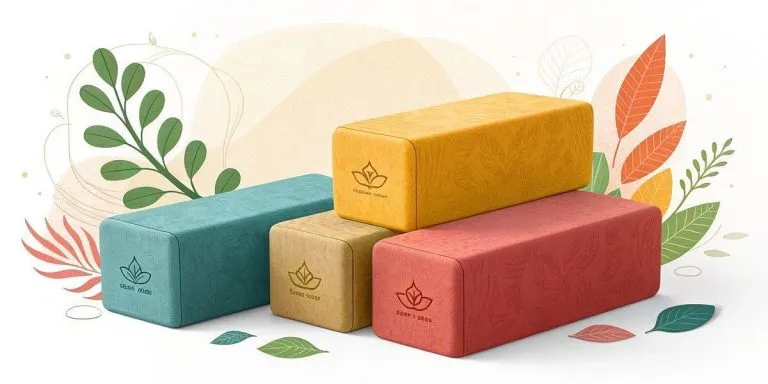
Avoid bouncing or jerking movements, as these can lead to injury. If you find certain poses challenging, don’t hesitate to use props like yoga blocks for support.
Always stretch both sides equally to maintain balance in your flexibility.
Staying hydrated is key, as proper hydration supports muscle function and flexibility.
Before stretching, consider taking a warm bath or using a heating pad to ease tightness.
Finally, consistency is crucial; make stretching a regular part of your routine to see lasting benefits.
- Start with gentle movements to warm up your muscles before stretching.
- Hold each stretch for at least 30 seconds to allow muscles to relax.
- Breathe deeply during stretches to enhance relaxation and effectiveness.
- Incorporate a variety of stretches to target different hip muscles.
- Avoid bouncing or jerking movements while stretching to prevent injury.
- Use props like yoga blocks for support during stretches, if needed.
- Stretch both sides equally to maintain balance and flexibility.
- Stay hydrated, as hydration can affect muscle function and flexibility.
- Consider a warm bath or heating pad before stretching to ease tightness.
- Be consistent with your stretching routine to see lasting benefits.
4. Key Yoga Poses for Tight Hips
Yoga offers a variety of poses that can help ease tight hips.
One of the most accessible is the Butterfly Stretch.
This pose involves sitting with the soles of your feet together and gently pressing your knees toward the ground. Hold it for about 30 seconds to really feel the stretch in your inner thighs and groin.
Next up is Malasana, or the Yogi Squat.
Stand with your feet wide apart, toes turned out, and squat down, pressing your elbows against your inner knees.
This pose helps deepen your squat and enhances hip flexibility.
Hold for 30 seconds.
The Happy Baby Pose is another fantastic option. While lying on your back, pull your knees toward your chest and grab the outer edges of your feet. This pose effectively stretches your lower back and inner thighs, and holding it for at least 30 seconds can be pretty soothing.
Frog Pose is a bit more intense but very effective.
Start on all fours, widen your knees, keep your feet flat on the floor, and lower your forearms to the ground. Hold this pose for about 30 seconds to really target those hip flexors and groin.
For a focus on the outer hips and glutes, Pigeon Pose works well. From a lunge position, drop your front leg down with the knee bent, extending the back leg behind you.
This pose can be held for 30 seconds to feel a deep release in the hip area.
Don’t forget about the Low Lunge, which stretches the hip flexors that tend to tighten from sitting.
Step forward into a lunge, lower your back knee to the ground, and hold for 30 to 45 seconds.
Garland Pose encourages a deep squat.
Stand with your feet wide apart, lower your hips into a squat while pressing your elbows into your inner knees, and hold for about 30 seconds.
Lastly, Figure Four is a great pose to do lying down.
Cross one ankle over the opposite knee, then pull the other thigh toward your chest. This pose is comfortable for many and can be held for 30 seconds.
Incorporate these poses into your regular yoga practice for maximum benefit, and always listen to your body, adjusting poses as needed to ensure comfort.

- ELEVATE YOUR ZEN: Yes4All Rectangular yoga bolster enhances your yoga & meditation by boosting relaxation and well-being for all levels; Ideal for various exercises & restorative yoga; Our bolster pillow with memory foam provides a foundation for journey to inner peace
- MAXIMUM COMFORT: Meditation pillow for restorative yoga with triple-layer sponge core for smooth and supportive comfort; firm yielding surface supports lower back, spine, and hips for balance & flexibility in challenging poses
- EASY CARE: Yoga cushion bolster comes with a hidden zipper, removable suede cover for effortless cleaning; Smooth cover of this bolster pillow for yoga ensures a seamless look, keeping yoga bolster pillow tidy & ready for all yoga sessions
- CONVENIENT AND PORTABLE: Yoga bolster for restorative yoga comes with an easy carrying handle and a protective dust bag for storage and transport. Take this long yoga pillow with you to the yoga studio or class and enjoy your zen on the go
- VERSATILE FUNCTIONALITY: As a bolster pillow yoga practitioners love, this rectangular massage bolster doubles as a sofa or bed pillow providing a soft surface & firm denseness; a thoughtful gift for those who love yoga and meditation. Good yoga props and accessories to enhance your yoga practice, ideal for restorative poses and meditation sessions

Last update on 2026-03-22 / Affiliate links / Images from Amazon Product Advertising API
5. Additional Considerations
Warming up your muscles before starting hip openers is key to boosting blood flow and minimizing injury risk.
This could be as simple as some gentle movements or dynamic stretches.
If you find certain poses challenging, don’t hesitate to use props like blankets or straps for support; they can make the experience much more accessible.
If you’re new to yoga, consulting a yoga instructor can provide you with personalized guidance tailored to your needs and abilities.
Always remember to honor your body’s limits; modifying poses to suit your flexibility is perfectly okay.
Pay attention to any discomfort during your practice, and back off if something doesn’t feel right.
Incorporating hip openers into your daily routine, even if just for a few minutes, can lead to lasting benefits.
Many people find that practicing in the morning can energize their day, while others prefer evening sessions for relaxation. It’s also beneficial to combine yoga with other forms of exercise, creating a well-rounded fitness approach.
Don’t overlook the importance of a balanced diet in supporting your muscle health and recovery.
Lastly, reflect on your emotional state during your practice; yoga can be a powerful tool for mental well-being, helping to release stored emotional tension.

Last update on 2026-03-22 / Affiliate links / Images from Amazon Product Advertising API
Frequently Asked Questions
What are hip openers in yoga?
Hip openers are specific yoga poses that help stretch and release tension in the hips. They can improve flexibility and mobility in that area.
Why do my hips feel tight, and how can yoga help?
Tight hips can result from sitting too much, lack of movement, or stress. Yoga helps by stretching and strengthening the muscles around the hips, promoting relaxation and more effortless movement.
How often should I practice hip openers to see results?
Practicing hip openers a few times a week can lead to noticeable improvements. Consistency is key, so try to incorporate them into your routine.
Can beginners do hip openers easily?
Absolutely! Many hip-opener poses can be modified for beginners. It’s essential to listen to your body and go at your own pace.
Are there any risks or precautions I should take with hip openers?
Yes, be mindful of your body limits. If you feel pain, ease out of the pose. It’s also good to consult with a yoga instructor if you have any underlying health issues.
Tight hips, often caused by prolonged sitting or specific activities, can be relieved with yoga hip openers.
These poses not only improve flexibility and mobility but also alleviate tension and emotional stress.
To get started, warm up your body, listen to what feels right, and focus on your breathing.
Key poses include Butterfly Stretch, Pigeon Pose, and Happy Baby Pose, each held for about 30 seconds.
Additionally, consider using props for support and consult an instructor for personalized guidance. Incorporating these practices may enhance both physical and emotional well-being.