Mastering the Downward Dog: Our Guide to Perfecting This Iconic Yoga Pose
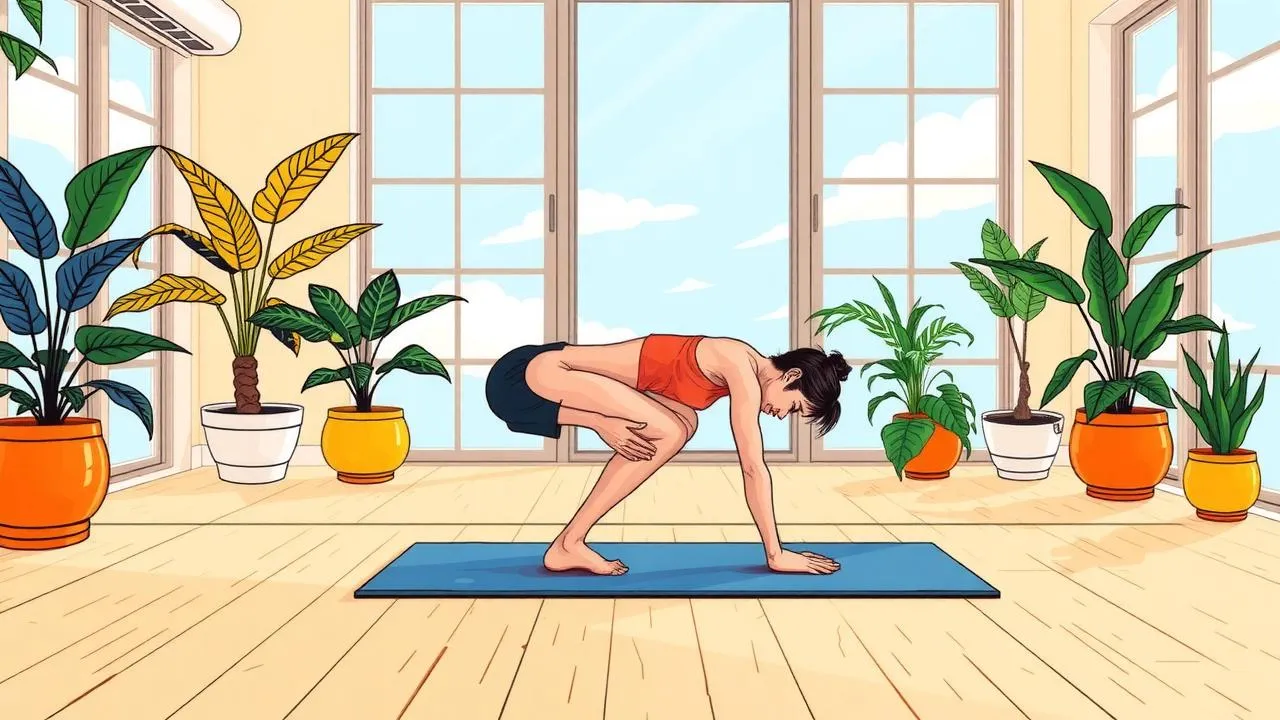
To correctly perform the Downward Dog pose, start in a tabletop position with your hands shoulder-width apart and knees under your hips.
Spread your fingers wide and press them firmly into the mat.
Tuck your toes under and engage your core as you exhale to lift your knees off the ground.
Push back with your hips to form an inverted V-shape, keeping your back straight and relaxing your head between your arms.
Focus on pressing heels toward the floor, which may not touch initially.
Remember to breathe deeply and hold this pose for 10 to 15 seconds before transitioning smoothly into another position.
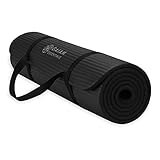
- Extra-Thick Cushioning for Joint Comfort : Made with 10mm (2/5″) high-density NBR foam, this mat delivers plush cushioning that helps reduce pressure on knees, hips, and joints—ideal for beginners, low-impact yoga, Pilates, stretching, floor exercises, and home workouts on hard surfaces.
- Comfort-Focused Surface for Controlled Movement : Textured foam surface helps reduce slipping on most hard floors during dry workouts and everyday exercise. The softer, cushioned feel prioritizes comfort and shock absorption over firmness, making it a great choice for floor-based and low-impact routines.
- Soft Foam Feel with Easy Care : Crafted from low-odor NBR foam that’s easy to maintain—simply wipe clean with a damp cloth. Initial foam odor may be present when first opened and typically fades after airing out for 24–48 hours.
- Versatile for Home Fitness & Recovery : Popular for yoga, Pilates, stretching, physical therapy, core workouts, and general home fitness. The extra-thick foam provides comfort on wood, tile, or concrete floors and is well-suited for regular bodyweight use.
- Lightweight & Easy to Carry : Rolls up quickly and includes an adjustable carrying strap for simple storage and transport between rooms, classes, or workout spaces at home.

Last update on 2026-10-28 / Affiliate links / Images from Amazon Product Advertising API
1. Common Mistakes to Avoid
When practicing Downward Dog, it’s easy to make some common mistakes that can lead to discomfort or strain.
One of the most significant issues is placing your feet too close to your hands, which can put unnecessary strain on your back.
Instead, keep your feet hip-width apart for better alignment.
Another common mistake is rounding your back instead of keeping it straight, which can cause discomfort.
Focus on lengthening your spine as you lift your hips.
Also, be mindful of your head position; letting it hang too low or too high can strain your neck.
Keep your head neutral and relaxed. Engaging your core is crucial, too.
Forgetting to tighten your abdominal muscles can lead to instability in the pose.
Watch your heels as well; lifting them too high can disrupt the pose’s balance.
Aim to keep them close to the ground, but don’t force them down.
Tensing your shoulders is another mistake to avoid; keep them relaxed and away from your ears.
Remember to breathe steadily; holding your breath can increase tension and make the pose feel more challenging.
If you find overextending your legs causes strain, don’t hesitate to maintain a slight bend in your knees for comfort.
Regularly check your alignment to prevent injury, and take your time transitioning in and out of the pose to maintain balance.
- Placing your feet too close to your hands can strain your back; keep your feet hip-width apart.
- Rounding your back instead of keeping it straight can cause discomfort; focus on lengthening your spine.
- Letting your head hang too low or too high can strain your neck; keep your head neutral and relaxed.
- Forgetting to engage your core can lead to instability; remember to tighten your abdominal muscles.
- Lifting your heels too high can disrupt the pose; aim to keep them close to the ground without forcing them down.
- Tensing your shoulders can lead to discomfort; keep them relaxed and away from your ears.
- Holding your breath can increase tension; practice steady breathing throughout the pose.
- Overextending your legs can cause strain; maintain a slight bend if needed for comfort.
- Not paying attention to alignment can lead to injury; regularly check your body positioning.
- Transitioning too quickly can lead to imbalance; take your time when moving in and out of the pose.

- Yoga Pose Charms: Silver color yoga tree pose charm and a silver color yoga downward facing dog pose charm measuring 0.625″ x 0.75″
- Decorative Glass Beads: Each charm paired with 3 glass beads in shades of purple and lavender color on silver tone fish hook ear-wire
- Earring Length: The length from the top of the ear wire to bottom of the earring is about 1.875″
- Lightweight Design: This pair of delightful mismatched asymmetrical earrings is very delicate and lightweight
- Unique Asymmetric Style: Features two different yoga poses creating a distinctive mismatched earring set that celebrates meditation and wellness
Last update on 2026-10-27 / Affiliate links / Images from Amazon Product Advertising API
2. Modified Versions of Downward Dog
If you’re looking for a gentler approach to Downward Dog, several modified versions can help you ease into the pose.
The Wall Variation is a great starting point.
Stand facing a wall, place your palms on it, and step back. This angle reduces strain on your back and provides a stable surface to work with.
Another option is to keep your Knees Bent.
This adjustment helps maintain a neutral spine, making it easier to hold the pose without discomfort.
For those who prefer a more accessible stretch, try the Puppy Pose.
Performed on your knees, it allows for a gentle opening of the shoulders and back, perfect for beginners or anyone with tight hamstrings.
If you want to reduce intensity even further, the Chair Variation is fantastic.
Bend at your hips while keeping your feet flat on the ground, stretching your body without going to the floor.
Using blocks under your hands for a Supported Downward Dog can also help elevate your torso, maintaining good alignment while making the pose more accessible.
If you find Downward Dog too challenging, consider Cobra Pose as a gentler alternative that still stretches the back and shoulders.
You can also use a strap around your wrists to guide your arms into position, which can help maintain alignment.
For those with wrist issues, a Seated Forward Bend offers a nice stretch to the hamstrings and back without putting pressure on your wrists.
Child’s Pose is another excellent restorative alternative, providing a break from the intensity of Downward Dog.
Lastly, Chair Yoga modifications allow you to experience the benefits of the pose while seated, perfect for anyone who finds getting on the floor difficult.

- HOME YOGA GUIDE: This poster illustrates the postures of the primary series. wall chart designed as a visual guide to take the yoga enthusiast through classic physical poses and stretches.
- GALLERY QUALITY PRINTING: Natural solar white, 100 lb. linen canvas is used to print each of our premium posters. This canvas is ideal for producing high-end art pieces as it allows the vivid colors and image to pop against the canvas-like surface.
- WITH FRAME CONVENIENT: you will receive a yoga pose poster with natural wood frame, our fitness posters can be hung anywhere .
- The beautiful, easy to follow fitness poster is a great addition to any home gym, office, yoga studio, rec center, pilates gym, or hotel fitness center. Should be hanging on every Yoga studio’s wall!!
- Poster size: 16″ W x 27″ H,Waterproof for resistance against drinking fountain splash, sweat, cleaning supplies
Last update on 2026-10-27 / Affiliate links / Images from Amazon Product Advertising API
| Variation | Description |
|---|---|
| Wall Variation | Stand facing a wall, place your palms on it, and step back to perform the pose at an angle, which can reduce strain on the back. |
| Knees Bent | Keep a slight bend in your knees to help maintain a neutral spine, making it easier to hold the pose. |
| Puppy Pose | This variation is performed on your knees, allowing for a gentler stretch that is easier for beginners or those with tight hamstrings. |
| Chair Variation | Bend at the hips while keeping your feet flat, creating a less intense version of the pose that still allows for stretching. |
| Supported Downward Dog | Use blocks under your hands to help elevate your torso, making the pose more accessible while maintaining alignment. |
| Cobra Pose | If Downward Dog feels too intense, try Cobra Pose for a gentler stretch of the back and shoulders. |
| Using a Strap | This pose can be beneficial for those with wrist issues while still providing a hamstring and back stretch. |
| Seated Forward Bend | This restorative pose can be an excellent alternative for anyone needing a break from the intensity of Downward Dog. |
| Child’s Pose | Modify the pose while sitting in a chair for those who may find it challenging to get on the floor. |
| Chair Yoga | Modify the pose while sitting in a chair for those who may find it difficult to get on the floor. |
3. Benefits of Downward Dog
Downward Dog offers a wealth of benefits that can significantly enhance your yoga practice and overall well-being.
First, it stretches the entire back, including the spine, hamstrings, calves, and ankles, thereby improving flexibility.
This is particularly valuable if you spend long hours sitting at a desk.
Additionally, this pose strengthens the shoulders, arms, and core, creating a solid foundation for other poses.
As you hold Downward Dog, you also improve blood circulation throughout your body, which can enhance your energy levels and vitality.
Beyond the physical benefits, Downward Dog is a fantastic stress reliever.
Encouraging a focus on breathing and body sensations can promote a sense of calm and help you manage daily stressors.
Acting as a restorative pose, it enhances both flexibility and strength, making it a staple in many yoga practices.
Moreover, it helps improve posture by encouraging alignment and awareness of your body’s position in space, which can translate into better daily habits.
If you often feel tension in your back and neck, Downward Dog can provide relief, promoting relaxation and comfort in your everyday activities.
It also offers potential mental health benefits, such as reducing symptoms of anxiety and depression by fostering mindfulness and body awareness.
The pose enhances balance and coordination, which can improve your performance in other activities and sports.
Lastly, the inversion can promote better digestion by increasing circulation to the abdominal organs.
All these benefits make Downward Dog a must-try in your yoga journey.
The Downward Dog pose, commonly known as “Adho Mukha Svanasana,” is a foundational yoga pose with numerous benefits for both the body and mind.

- Wall Art Print “Downward Dog, Warrior 1, Reverse Warrior Yoga Pose” FRAMED Print Yoga Wall Art
- Choose from 3 wooden frame colors, Black, Light Brown or White.
- Choose between either 5″ x 7″, 8″ x 10″ or 11″ x 14″ size art prints
- Printed on Heavy matte paper with textured finish.
- Great to place anywhere in the home or office.
Last update on 2026-10-27 / Affiliate links / Images from Amazon Product Advertising API
Below are 10 more benefits of this pose, along with detailed explanations:
1. Improves Flexibility
Downward Dog stretches the entire backside of the body, including the hamstrings, calves, and spine. This helps increase overall flexibility, which can be beneficial in daily activities and other physical exercises. Improved flexibility also reduces the risk of injuries.
2. Strengthens Muscles
This pose engages multiple muscle groups, strengthening the arms, shoulders, and core. As you hold the position, your muscle tone improves, which can contribute to better performance in other physical activities and maintain overall body strength.
3. Enhances Blood Circulation
Inverting the body encourages better blood flow to the brain, helping increase oxygen supply and nutrient delivery to cells. This revitalizes the body and aids in overall circulation, which can lead to improved energy levels.
4. Relieves Stress and Anxiety
The Downward Dog pose helps calm the mind. By focusing on breath and body alignment, it promotes mindfulness, which can reduce stress and anxiety levels. The inversion also offers a fresh perspective, contributing to mental clarity.
5. Strengthens the Spine
Holding the Downward Dog position helps elongate and strengthen the spine. This can alleviate back pain and improve posture by encouraging spinal alignment. A stronger spine contributes to better support during daily activities and movements.
6. Stimulates Digestion
The pose encourages abdominal engagement, which can aid in digestion by facilitating the movement of food through the digestive tract. Improved blood flow to the abdominal organs also enhances digestive health and can help relieve discomfort.
7. Improves Balance and Coordination
Balancing on the hands and feet engages stabilizing muscles throughout the body, enhancing overall coordination and balance. This benefit is essential for performing other physical activities and improving athletic performance.
8. Energizes the Body
Downward Dog is known for its ability to invigorate and energize the body. The stretch and inversion can help alleviate feelings of fatigue by increasing blood circulation and releasing tension. It acts as a quick pick-me-up during yoga sessions or when done throughout the day.
9. Promotes Calmness and Focus
By creating a tentative balance between breath control and body posture, this pose helps enhance concentration and focus. It encourages mindfulness practices, which are crucial for mental well-being. This is particularly beneficial for students and working professionals.
10. Eases Tension in Shoulders and Neck
The Downward Dog pose helps release tightness in the shoulders and neck. The inversion allows for gentle stretching of these areas, reducing the risk of tension headaches and discomfort often caused by prolonged sitting or poor posture.
The Downward Dog pose is a versatile and powerful yoga practice that offers numerous benefits for physical health, mental well-being, and overall vitality. Incorporating this pose into a regular yoga routine can lead to significant improvements in both mind and body.

- Gifts for yoga lovers: Celebrate every yogi’s journey with this “Smells like yoga time” candle; Our namaste candle is a thoughtful present for yogis, yoga buddy, yoga teachers, yoga instructors, beginners, Pilates lovers, or anyone finding tranquility on the mat; A heartfelt tribute to their commitment to mindfulness and inner balance; Whether they’re deep in meditation, practicing yoga or unwinding after practice, this candle sets the mood for mindfulness
- Suitable for various occasions: The candle is a heartfelt and heartwarming present suitable for YTT graduation, birthdays, Christmas, Thanksgiving, Mother’s Day, just because, stocking stuffers, or yoga retreats; Its soothing scent complements meditation, yoga sessions, or quiet relaxation at home; Ideal meditation gifts, yoga gifts for girls, relaxation gifts, namaste gifts, stress relief gifts, yoga theme gifts
- Lavender scent: Our 9 oz candle is infused with the refreshing and soothing aroma of lavender, ideal for creating an atmosphere for relaxation; Its calming properties are great for soothing both the body and mind
- Natural relaxation experience: Made from natural wax and scented with natural essential oils, our scented candle burns longer and cleaner, filling your space with a delightful and natural fragrance; Ideal for body relaxation and stress relief
- Long-lasting burning: With a burning time of up to 50 hours, our scented candle, made with a cotton wick, allows someone you care about to burn it longer; Give them this candle that will always remind them of you
Last update on 2026-09-30 / Affiliate links / Images from Amazon Product Advertising API
4. Contraindications for the Pose
It’s essential to be mindful of when to avoid the Downward Dog.
If you have recent injuries to your wrists, shoulders, ankles, or knees, this pose could worsen your condition and cause more pain.
Those with high blood pressure or other health concerns should also think twice, as the inversion may not be suitable for everyone.
Pregnant women should skip this pose after the first trimester since it can pressure the abdomen. If you have eye conditions like glaucoma, it’s best to avoid this pose because of its head-down position.
Severe carpal tunnel syndrome can make this pose uncomfortable, so consider trying alternatives.
If you feel dizzy or lightheaded while in Downward Dog, exit the pose carefully to avoid falling.
People with chronic migraines should consult a doctor before attempting this pose, as inversions might trigger headaches.
If you have spinal issues, it’s wise to consult a qualified instructor first.
Lastly, those recovering from surgery need to wait until they get the green light from a medical professional.
Always listen to your body; if something doesn’t feel right, don’t hesitate to come out of the pose.

- Handcrafted in Nova Scotia
- Made from fine pewter
- Perfect gift for the dog lover and yoga lover
- 2″ x 1″, 1″ x 1/2″ X 1/2″ and 1 3/4″ x 1/4″
Last update on 2026-10-27 / Affiliate links / Images from Amazon Product Advertising API
Frequently Asked Questions
What are the main benefits of doing the Downward Dog pose?
The Downward Dog pose helps to stretch your hamstrings, calves, and back, improving flexibility. It also strengthens your arms, legs, and core while promoting relaxation and reducing stress.
How can I tell if I am doing the Downward Dog pose correctly?
You can check your form by keeping your hands shoulder-width apart and your feet hip-width apart. Your body should form an inverted V-shape, and your heels should ideally press down toward the floor.
What should I do if I have trouble holding the Downward Dog pose?
If you struggle to hold the pose, try bending your knees slightly or using yoga blocks under your hands for support. Focus on your breath and gradually build your strength.
Can beginners practice the Downward Dog pose, or is it for advanced yogis?
Absolutely, beginners can practice Downward Dog. It’s a great starting point for building strength and flexibility, but you should listen to your body and modify the pose as needed.
Is there anyone who should avoid the Downward Dog pose?
People with wrist, back, or shoulder injuries should be cautious with Downward Dog.
It’s best to consult with a healthcare professional or a qualified yoga instructor before trying this pose.
Learn how to properly do the Downward Dog pose in yoga by starting in a tabletop position, pressing into the mat, and creating an inverted V-shape with your body.
Common mistakes include keeping your feet too close to your hands and tucking your buttocks in too much. For those needing modifications, try the wall variation or keep your knees bent.
This pose offers numerous benefits, such as stretching your back and improving blood circulation, but it is not recommended for those with injuries or certain health conditions.
Overall, Downward Dog is a great foundational pose suitable for all skill levels.