Elevate Your Practice: Our Guide to Choosing the Perfect Yoga Mat
Understanding Yoga Mats: Why Quality Matters
Choosing the right yoga mat is essential for every yogi, from beginners to seasoned practitioners.
A quality mat can enhance your practice by providing the necessary support, stability, and comfort during your sessions.
When selecting a yoga mat, it’s important to consider various factors that can significantly impact your practice.
Material is a primary consideration; mats made from natural rubber, PVC, or TPE each offer different levels of grip and durability.
Natural rubber mats often provide excellent traction and cushioning, making them ideal for dynamic practices like Vinyasa or Ashtanga.

- 【Eco-Friendly POE Material】Our yoga mat is made from POE material, as well as more soft, skin-friendly and lightweight. Its powerful resilience provides a comfortable experience for users of all levels with this 8mm fitness mat
- 【Double Non-Slip Design】This workout mat has double-sided non-slip surfaces. Special textured surface prevents your hands and feet from sliding when you sweat on it. Wavy undersides make excellent traction on the floor
- 【Large Yoga Mat with Printed Patterns】At 76″Lx 32″W, providing ample space for all your Yoga, Pilates, and floor exercise needs. Style and room for comfortable workouts, offering essential support
- 【Versatile & Portable Yoga Mat】Printed yoga mat provides reliable stability and balance for yoga, pilates, stretching, weight training, and other floor exercises. Features built-in carrying straps for effortless storage and on-the-go portability. Suitable for use in gyms, at home, in the office or outdoors—the ideal choice for park workouts, camping trips and travel
- 【Care Instruction】1.Clean with damp cloth cold water or mild detergent, dry flat. 2. Lay it flat to dry, do not put it in the washing machine/dryer, or expose it to direct sunlight. 3.The yoga mat prefers barefoot contact to ensure maximum grip and safety
Last update on 2026-09-27 / Affiliate links / Images from Amazon Product Advertising API
Key Features to Consider
- Material: The material of a yoga mat can greatly influence your grip and comfort. Popular choices include:
- PVC: Durable and often affordable, great for gripping, but not eco-friendly.
- TPE: A more eco-friendly option, lightweight and non-toxic.
- Natural Rubber: Offers excellent grip and cushioning but may have a strong odor initially.
- Thickness is another crucial aspect. A thicker mat (around 5mm or more) can help cushion your joints, especially during poses that require kneeling or standing on hard surfaces. However, if you prefer a closer connection to the ground for balance poses, a thinner mat (around 3mm) might be more suitable.
- Texture affects how much grip you’ll have during practice. Consider mats that have a textured surface to prevent slipping, especially when you’re sweaty. This ensures that you can maintain proper alignment without the fear of losing your balance.
- Stickiness: A sticky mat helps maintain position during poses and prevents slipping.
- Eco-Friendliness is also a factor that many yogis prefer to consider. Look for mats made from biodegradable materials if you are environmentally conscious. Brands that prioritize sustainability not only contribute to the planet’s health but also often provide mats free of harmful chemicals.
Additionally, your choice of mat should align with your yoga style.
For instance, if you practice hot yoga, a mat with moisture-absorbing properties would be beneficial.
Conversely, for restorative yoga, a softer, more cushioned mat may enhance your comfort during longer holds.
Types of Yoga Mats
Not all yoga mats are created equal.
It’s essential to choose one that matches your practice style.
Here are some common types:
- Standard Yoga Mat: Suitable for most practices, offering a balance of thickness and grip.
- Travel Yoga Mat: Lightweight and foldable, perfect for yogis on the go.
- Extra-Thick Yoga Mat: Ideal for those who need more cushioning for their joints.
- Eco-Friendly Yoga Mat: Made from sustainable materials, ideal for environmentally conscious practitioners.
Tips for Maintaining Your Yoga Mat
To ensure longevity and hygiene, follow these maintenance tips:
- Clean your mat regularly with a mild soap solution or a mat-specific cleaner. This helps remove sweat, dirt, and bacteria, keeping your mat fresh.
- Roll your mat up instead of folding it to avoid creases. Rolling maintains its shape and prevents damage to the material.
- Store it away from direct sunlight to prevent the material from degrading. Excessive UV exposure can cause fading and deterioration.
- Use a towel during hot yoga or vigorous practices. Placing a towel on top of your mat can absorb sweat, providing extra grip and reducing the need for frequent cleaning.
- Air out your mat after each use. Allow it to breathe by laying it flat in a well-ventilated area to help prevent odors and mildew.
- Avoid using strong chemicals or abrasive cleaners. Harsh substances can damage the mat’s surface and reduce its lifespan.
- Check for wear and tear regularly. Inspect your mat for any signs of damage, such as cracks or tears, and consider replacing it if needed to ensure safe practice.
- Keep it separate from your other gear. Storing your mat separately from weights or other equipment prevents unwanted scratches and scuffs.
- Be mindful of pets. If you have pets, make sure to keep them off your mat, as their claws can cause tears or punctures.
- Follow manufacturer instructions. Each mat may have specific care guidelines, so check the label for recommendations tailored to your particular mat.
- By incorporating these tips into your routine, you can extend the life of your yoga mat and keep it in optimal condition for your practice.
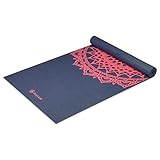
- LIGHTWEIGHT YOGA MAT: These durable, yet extremely lightweight exercise yoga mats give you just the right amount of cushioning your joints need during any yoga or fitness routine
- STICKY NON-SLIP TEXTURE: Yoga mat features a textured sticky non-slip surface for excellent traction and superior grip and a stylish design to keep you motivated and focused
- NON-TOXIC and 6P FREE – PVC yoga mat is a healthier choice for you and the planet and free of DEHP, DBP, BBP, DINP, DIDP and DNOP (Note: For best results unroll and air out your mat for 2-3 days before use – a harmless odor may be present when unwrapped)
- FREE YOGA CLASS: Yoga mat purchase includes a free bonus downloadable yoga workout to help get you started
- DIMENSIONS: 68-Inch x 24-Inch x 4mm Thick

Last update on 2026-09-27 / Affiliate links / Images from Amazon Product Advertising API
Selecting the Right Yoga Mat for You
Ultimately, the best yoga mat depends on your personal preferences and practice style.
Consider trying different mats in a store before purchasing, if possible. Look for a mat that feels comfortable and supports your practice.
When evaluating mats, pay attention to grip; good traction can help prevent slipping, especially during dynamic poses.
If you practice hot yoga, opt for a mat designed to absorb moisture for improved grip.
Weight is another factor.
If you plan to carry your mat to classes or travel with it, a lightweight option may be more convenient.
Conversely, a thicker mat might provide more cushioning, which some practitioners prefer for joint support.
Consider the mat’s size and portability as well. Standard mats are typically around 68 to 72 inches long, but taller individuals might benefit from a longer mat.
Additionally, some mats come with carrying straps or bags, making transportation easier.
Furthermore, assess the durability and material.
Mats made from natural rubber or high-quality PVC tend to last longer, while eco-friendly options may be available if sustainability is important to you.
Lastly, your personal aesthetic should not be overlooked.
The color or design of your mat can enhance your yoga experience and motivate you to practice more regularly.
Remember, finding the right yoga mat is about balancing functionality with your unique style and needs.

- Extra thick, cushy floor mat in Pink for yoga, gym, and everyday exercise
- 1/2 inch thickness offers comfortable padded support and shock absorption; textured surface provides extra traction
- Durable foam construction offers stretchability and springs back into shape
- Elastic strap for secure rolled-up mat storage and easy over-the-shoulder carrying
- Wipes clean easily
Last update on 2026-09-27 / Affiliate links / Images from Amazon Product Advertising API
Conclusion: Invest in Your Yoga Practice
Finally, it’s worth investing in a mat that fits your personal aesthetic.
A mat that you find visually appealing can enhance your overall experience and encourage you to practice more regularly.
Remember, the right yoga mat can make a significant difference in your practice, so take the time to choose one that meets your specific needs and preferences.
A good yoga mat is an investment in your practice and overall wellness.
By understanding the different options available and considering your unique needs, you can select a mat that enhances your yoga experience.
Happy practicing!
Frequently Asked Questions About Choosing a Yoga Mat
What type of yoga mat is best for beginners?
A medium-thickness mat with reliable grip, comfortable cushioning, and a stable surface is a good choice for most beginners. Look for a mat that is easy to clean, durable, and suitable for the yoga style you plan to practice.
How thick should a yoga mat be?
Most yoga mats are between 3 and 6 millimeters thick. A thinner mat can provide better stability and balance, while a thicker mat offers more cushioning for sensitive joints. Choose based on your comfort, practice style, and flooring.
What is the best yoga mat for hot yoga?
A hot yoga mat should have strong traction and maintain its grip when exposed to sweat and moisture. A moisture-absorbing surface or a yoga towel can provide additional grip during heated or vigorous sessions.
Are thicker yoga mats better for joint support?
Thicker mats generally provide more cushioning for the knees, wrists, hips, and spine. However, very soft mats may make balancing poses more difficult. An extra-thick mat can be useful for restorative yoga, floor-based poses, or anyone who needs added joint comfort.
What kind of yoga mat is best for restorative yoga?
A softer, more cushioned mat can make long holds and seated or reclining poses more comfortable. Pairing the mat with a yoga blanket or bolster can provide additional support.
Which yoga mat materials are most eco-friendly?
Eco-conscious options may include natural rubber, cork, organic cotton, and other responsibly sourced or recycled materials. Check the product’s material information, manufacturing practices, durability, and end-of-life guidance before buying.
How do I choose a non-slip yoga mat?
Look for a mat with a textured or high-traction surface that suits your practice. If you sweat heavily, choose a surface designed to maintain grip with moisture, and consider using a towel during hot yoga or vigorous workouts.
How should I clean and maintain my yoga mat?
Wipe your mat after each practice with a manufacturer-approved cleaner or a mild soap-and-water solution. Allow it to dry completely before rolling it up, and avoid storing it in direct sunlight or extreme heat unless the manufacturer says otherwise.
Do I need a yoga towel?
A yoga towel is especially useful for hot yoga and sweaty practices. It can absorb moisture, improve traction, protect the mat from buildup, and reduce how often the mat needs deep cleaning.
What should I consider when buying a portable yoga mat?
For travel or commuting, choose a lightweight mat that rolls or folds easily without sacrificing too much grip. A thinner design is usually easier to carry, while a thicker mat may provide greater comfort but add bulk.
How long should a yoga mat last?
A quality yoga mat can last for several years with regular care, but its lifespan depends on materials, frequency of use, and practice intensity. Replace it when the surface becomes slippery, the cushioning breaks down, or cracks and peeling appear.
Can I use the same yoga mat for every style of yoga?
Yes, but some mats are better suited to specific practices. A stable, grippy mat works well for dynamic styles; extra cushioning can benefit restorative yoga; and moisture-resistant traction is helpful for hot yoga. Your mat should match your comfort needs and practice style.






5 Comments