Starting Yoga in 2026: An Easy Guide for First-Time Beginners
Yoga is a wonderful practice that helps bring together the mind, body, and spirit. By focusing on physical postures, breath control, and meditation, it offers numerous health benefits like increasing flexibility and relieving stress. If you’re new to yoga, looking for classes labeled “Hatha” or “Gentle” can be a great start. In your first class, arrive early to settle in and let the instructor know if you have any concerns. You might begin with some deep breaths before moving into poses like Downward Dog or Warrior Poses. Remember to stay patient with yourself; yoga is about enjoying the journey as much as reaching your goals!
1. Understanding Yoga and Its Purpose
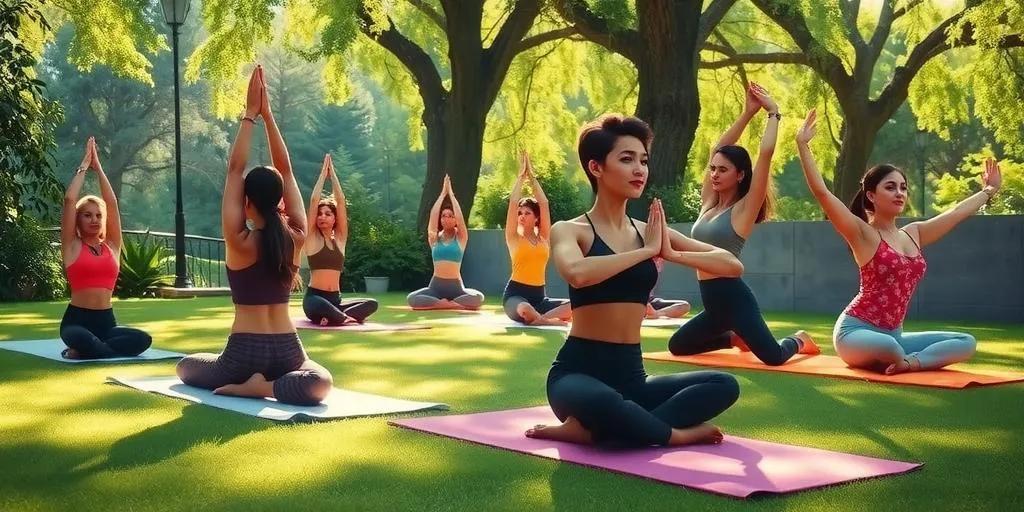
Yoga is an ancient practice that has been around for thousands of years, rooted in the Sanskrit word meaning “to yoke” or “to unite.” It seeks to harmonize the mind, body, and spirit through a blend of physical postures (asanas), breath control (pranayama), and meditation. The beauty of yoga lies in its ability to promote overall health while fostering mindfulness, allowing practitioners to stay present in the moment.
There are various traditions of yoga, such as Hatha, Ashtanga, and Kundalini, each offering a unique approach. For instance, Hatha focuses on physical postures and is often recommended for beginners, while Ashtanga is more dynamic and physically demanding. Each style has its own benefits, catering to different needs and preferences.
The philosophy of yoga encourages self-discipline and personal growth, making it a journey of self-discovery. As you begin, reflecting on your motivations for practicing yoga can enhance your experience. Maybe you seek stress relief, improved flexibility, or simply a sense of community.
Moreover, yoga is highly adaptable, making it accessible to everyone, regardless of age or fitness level. It helps cultivate gratitude and self-acceptance, allowing you to connect with yourself on a deeper level. Ultimately, the goal of yoga is to unite you with yourself and the universe, creating a harmonious balance in your life.
2. Health Benefits of Practicing Yoga
Practicing yoga offers an array of health benefits that can significantly enhance your overall well-being. One of the most notable advantages is improved flexibility and range of motion. Regular practice allows your muscles and joints to stretch and strengthen, making everyday movements easier and more fluid. Additionally, yoga builds muscle strength, which supports your physical health and helps prevent injuries.
Beyond physical benefits, yoga is also recognized for its mental health advantages. Studies show that it can reduce symptoms of anxiety and depression, providing a calming effect that promotes relaxation. This relaxation contributes to lower stress levels, which can further enhance your emotional well-being.
Yoga encourages better posture, reducing aches and pains often caused by poor alignment. It also improves respiratory function and lung capacity, allowing for deeper breathing and better oxygen flow throughout the body. This is particularly beneficial for overall energy levels and vitality.
Moreover, yoga can enhance mental clarity and cognitive function, helping you feel more focused and present in your daily life. It improves balance and coordination, which is crucial for reducing the risk of falls, especially as you age. For those managing chronic conditions like arthritis, yoga can serve as a gentle yet effective way to alleviate discomfort and maintain mobility.
Ultimately, yoga promotes a healthy lifestyle by encouraging self-care and wellness, making it a valuable addition to your daily routine.
3. Choosing the Right Yoga Style for You
When starting your yoga journey, it’s essential to pick a style that suits your fitness level and personal preferences. For beginners, Hatha yoga is often a great choice due to its slower pace and focus on foundational postures. If relaxation is what you seek, Restorative yoga provides gentle stretches and ample time to unwind. Alternatively, Vinyasa yoga might appeal to those who enjoy a dynamic flow, as it links breath with movement, making each session feel lively and invigorating. If you’re looking for a workout that builds strength and endurance, consider Power yoga, which is more intense and physically demanding. On the other hand, Yin yoga invites you to hold poses for extended periods, promoting deeper stretching and flexibility. For those curious about hot yoga, it can enhance your flexibility but keep in mind it may not be for everyone due to the heat. If your interest lies more in meditation than physical practice, styles like Kundalini focus on spiritual growth and inner awareness. Don’t hesitate to explore various classes and speak with instructors about your goals; they can guide you in finding the right fit. Remember, yoga is a personal journey, and what resonates with one person may not with another.
4. What to Expect at Your First Yoga Class
When you arrive at your first yoga class, wearing comfortable and breathable clothing is essential. This will help you move freely as you explore different poses. If you have a yoga mat, bring it along; otherwise, check if the studio provides mats for you. Most classes start with a warm-up session, allowing your body to prepare for the practice ahead.
You can expect the instructor to begin with some breathing exercises to help center your mind. They may demonstrate various poses, offering modifications for those who may find certain postures challenging. Don’t hesitate to ask questions if you’re unsure about something; being open to learning is part of the journey.
Throughout the class, you’ll encounter a mix of postures, some might feel easy while others may test your limits. Remember to be mindful of your body and only participate in what feels right for you. As the class wraps up, it often concludes with a period of relaxation or meditation, giving you a moment to absorb the practice.
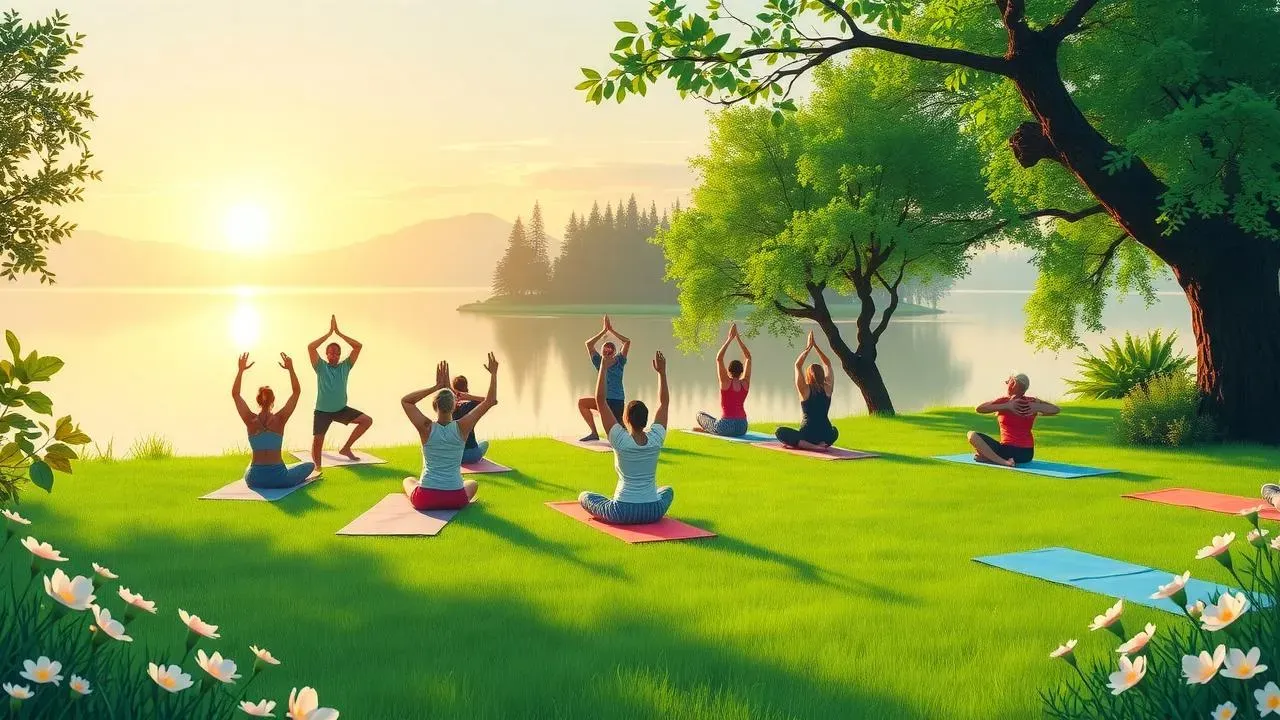
Lastly, enjoy the community aspect of yoga. Connecting with fellow practitioners can enhance your experience, making it feel more welcoming and supportive.
5. Basic Yoga Poses Every Beginner Should Know
Starting your yoga journey with some fundamental poses can set a solid foundation for your practice. Here are five essential poses every beginner should know:
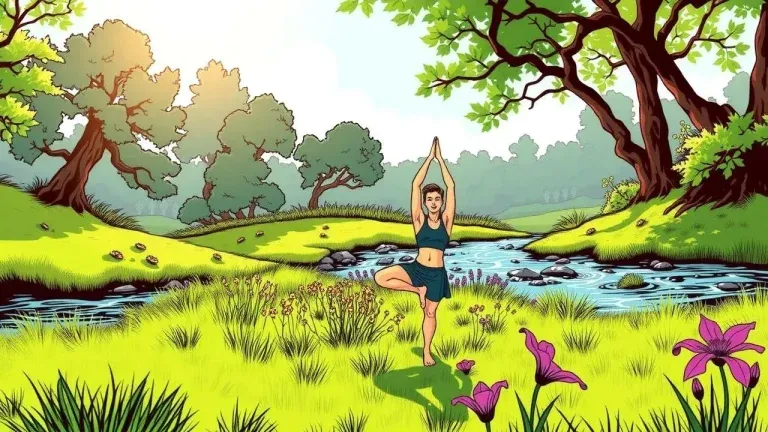
Mountain Pose (Tadasana) is the starting point. Stand tall with your feet together, engage your legs, and lift your chest. This pose helps you connect with your breath and establish a strong foundation.
Downward Dog (Adho Mukha Svanasana) is a classic pose that stretches your entire body. Start on your hands and knees, tuck your toes, and lift your hips, forming an upside-down V shape. This pose opens the shoulders, stretches the hamstrings, and strengthens the arms and legs.
Warrior I (Virabhadrasana I) builds strength and confidence. From a standing position, step one foot back, bend your front knee, and raise your arms overhead. This pose encourages focus and determination.
Warrior II (Virabhadrasana II) enhances your stability and concentration. Transition from Warrior I by opening your hips and shoulders, extending your arms parallel to the ground. This pose teaches you to find balance while grounding yourself.
Child’s Pose (Balasana) is a gentle resting position. Kneel on the floor, sit back on your heels, and stretch your arms forward while resting your forehead on the mat. This pose provides a calming break during your practice, allowing you to reconnect with your breath.
Incorporating these poses into your routine will not only help you become more comfortable in your practice but also prepare you for more advanced postures as you progress.
- Mountain Pose (Tadasana) helps establish a strong foundation.
- Downward Dog (Adho Mukha Svanasana) stretches the whole body.
- Warrior I (Virabhadrasana I) builds strength and confidence.
- Warrior II (Virabhadrasana II) enhances focus and stability.
- Child’s Pose (Balasana) provides a resting position when needed.
- Cobra Pose (Bhujangasana) opens the chest and strengthens the back.
- Cat-Cow Pose (Marjaryasana-Bitilasana) warms up the spine.
- Bridge Pose (Setu Bandhasana) strengthens the lower body.
- Seated Forward Bend (Paschimottanasana) promotes flexibility in the hamstrings.
- Supine Spinal Twist (Supta Matsyendrasana) aids in spinal mobility.
6. How to Use Props in Your Practice
Using props in your yoga practice can make a big difference, especially for beginners. Yoga blocks are fantastic for modifying poses to match your flexibility level. For instance, if you’re not able to reach the floor in a forward bend, placing your hands on a block can help you maintain good form while getting the benefits of the pose. Straps are equally helpful, as they assist you in achieving deeper stretches and ensuring that you stay aligned. If you’re working on hamstring flexibility, using a strap can help you gently pull your leg closer without straining.
Blankets can offer comfort and warmth, particularly in restorative poses where relaxation is key. They can also provide cushioning when sitting or kneeling. Bolsters are great for supporting your body in various poses, allowing you to sink deeper into relaxation. For example, using a bolster in Child’s Pose can enhance your comfort and help you breathe more deeply.
Don’t be shy about experimenting with different props to see what works best for you. Instructors can guide you on how to effectively use props, so don’t hesitate to ask for their advice. Remember that props are tools designed to help you maintain proper alignment and prevent injury. As you become more familiar with your practice, you may find that you rely on props less, but they will always be valuable in making your yoga more accessible and enjoyable.
7. Establishing a Consistent Yoga Routine
To build a lasting yoga practice, establishing a consistent routine is essential. Start by setting a specific time each day for your practice, whether it’s in the morning to energize you or in the evening to unwind. This regularity helps turn your yoga sessions into a habit. Initially, keep your sessions short, maybe just 10 to 15 minutes, and gradually increase the duration as you become more comfortable.
Creating a dedicated space at home for your yoga practice can also enhance your experience. It doesn’t have to be elaborate; just a corner with a mat and some calming decor can make a difference. Using a calendar or an app to track your yoga sessions can motivate you to stay on schedule and visualize your progress.
It’s also beneficial to combine yoga with other forms of exercise, ensuring a balanced approach to fitness. Listen to your body during each session; if you need to rest, don’t hesitate to do so. Incorporating mindfulness, such as focusing on your breath while practicing, can deepen your experience and enhance your connection with your body.
Consider inviting a friend to join you; practicing together can keep motivation high and make your sessions more enjoyable. Remember, setbacks are normal, and consistency takes time. Celebrate your progress, no matter how small it may seem, as each step forward is a victory in your yoga journey.
8. Finding Classes and Resources Nearby
To kickstart your yoga journey, begin by searching for local studios that offer beginner-friendly classes. Many studios cater specifically to newcomers, providing a welcoming environment. Community centers, gyms, and wellness centers often have a variety of options as well, making it easy to find classes that fit your schedule and comfort level. If you prefer practicing at home, explore online platforms that offer virtual classes, allowing you to participate at your convenience.
Social media can be a valuable resource too. Look for local yoga groups and events to connect with fellow enthusiasts and instructors. You might even discover classes or workshops happening in your area. Speaking of workshops, they can provide immersive experiences that deepen your understanding and practice of yoga. Don’t hesitate to ask friends or family for recommendations on instructors they trust. Their personal experiences can help guide you toward a positive start.
Reading reviews online can give you a good sense of the class atmosphere and instructor’s style. Many studios offer trial classes, which are perfect for testing the waters without a long-term commitment. Take advantage of these opportunities to see what resonates with you. Additionally, consider exploring yoga books or magazines for more insights and guidance.
Yoga apps are also a fantastic resource, providing access to guided practices and tutorials that you can follow anytime, anywhere. Whether you choose to attend classes in-person or online, remember that the key is to find what feels right for you.
9. Yoga Class Etiquette for Beginners
When you step into a yoga class, it’s important to remember a few basic etiquette rules to create a harmonious environment for everyone. Arriving early allows you to settle in and avoid disrupting the class, so make it a habit to show up a little ahead of time. Once you’re there, make sure to turn off your phone; this helps maintain a peaceful atmosphere that everyone can enjoy.
Respect for your instructor and fellow students is key. During class, practice silence and save conversations for after the session. This is not just courteous, but it also helps you and others stay focused on the practice. Additionally, wearing strong scents can be distracting, so opt for unscented products to ensure everyone can breathe easily.
Bringing your own mat and props is a good idea for hygiene reasons, and it’s usually expected in most studios. When the instructor offers guidance or adjustments, be open to their suggestions, as they are there to help you improve your practice. Remember, yoga is a personal journey, so stay focused on your own experience rather than comparing yourself to others.
After class, it’s polite to clean up your space by putting away any props and mats you used. Finally, expressing gratitude to your instructor for their guidance can go a long way, as it acknowledges their efforts in supporting your journey. Following these simple guidelines will not only enhance your experience but also contribute to a positive atmosphere for everyone in the class.
10. Embracing Your Yoga Journey
Starting your yoga journey is a deeply personal experience, unique to you and your path. As you explore different styles, from Hatha to Vinyasa, notice which ones resonate with your body and mind. Keep an open mind; every class is an opportunity to learn something new. It’s essential to focus on the journey rather than fixating on where you want to be. Set realistic goals that guide your practice without adding pressure. Over time, you’ll begin to embrace the changes in your body and mind, celebrating every small victory along the way. Connecting with fellow practitioners can cultivate a sense of community that enriches your practice. Remember to be patient, as growth in yoga is gradual and takes time. Enjoy the process, and let it enhance your life both on and off the mat.
Frequently Asked Questions
What if I have never done yoga before?
It’s totally okay to be a beginner! Yoga is for everyone, and you can start at your own pace. Just find a class or video that caters to newcomers, and don’t hesitate to ask for help.
Do I need special clothing for yoga?
While there are clothes made specifically for yoga, you really just need comfortable, stretchy clothes that allow you to move freely. Think about wearing something like a t-shirt and leggings.
What should I bring to my first yoga class?
Most studios provide mats, but it’s a good idea to bring your own if you have one. You might also want a water bottle to stay hydrated and a small towel for wiping your forehead.
Can anyone practice yoga, regardless of age or ability?
Absolutely! Yoga is adaptable and can be practiced by people of all ages and fitness levels. There are different styles, so you can always find something that works for you.
How often should I practice yoga as a beginner?
Start with a couple of sessions per week and see how it feels. Gradually, you can increase it as you become more comfortable. The key is consistency, so pick a schedule that fits your life.
TL;DR Starting yoga in 2026 is a rewarding journey that promotes harmony of mind, body, and spirit. Beginners should explore gentle styles like Hatha or Restorative, while reaping health benefits such as improved flexibility, strength, and reduced stress. Expect a welcoming atmosphere in your first class, and familiarize yourself with basic poses like Mountain and Downward Dog. Consistency is key, so aim for daily practice, and don’t hesitate to use props for support. Remember to embrace the experience, respect class etiquette, and enjoy connecting with yourself through yoga.