How to Stay Safe Doing Yoga Without a Mat
Practicing yoga without a mat can be pretty refreshing and safe if you follow a few simple tips.
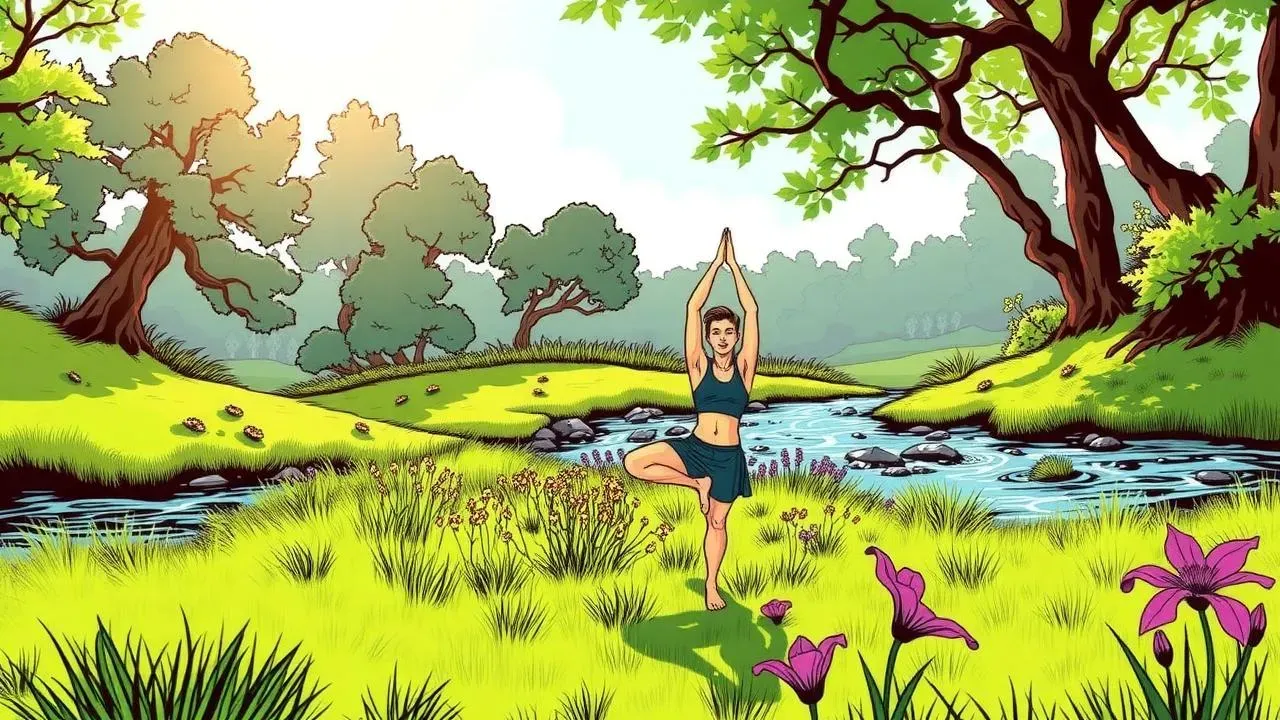
Firstly, stick to standing poses like trikonasana (triangle) or virabhadrasana (warrior).
These keep you grounded and comfortable on various surfaces. Be flexible with your routine; adapt as needed for your environment.
Planning your sequence helps you transition smoothly during your practice.
Choose a supportive surface, smooth grass or wood works well while avoiding hard tiles that might hurt.
You can also use walls for support and protect sensitive areas with long sleeves or leggings.
Most importantly, listen to your body’s signals and enjoy the experience!
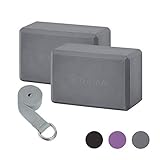
- YOGA BLOCK and YOGA STRAP COMBO: Makes for a great yoga prop and accessories starter kit, providing the support you need to get started
- STABILITY and BALANCE: Yoga blocks and yoga straps provide the stability and balance needed in your practice to help with optimal alignment, deeper poses and increased strength
- EXTEND with DEEPEN STRETCHES: Blocks and straps enable you to extend, support and deepen your stretches while also working to increase range of motion; Easy release D ring metal buckle holds 6 feet strap securely in place allowing your shoulders to relax
- MODIFY and ALIGN: Use under your hands, feet or seat (meditation) to ensure the proper alignment needed in order to safely support and modify poses to suit your level of flexibility; If you feel tight, don’t risk injury and grab a block and a strap
- CARE INFO: Spot clean with mild detergent; towel or air dry (Block Dimensions: 9 inches W x 6 inches H x 4 inches D / Weight: 4.6 ounces; Strap Dimensions: 6 feet)

Last update on 2026-03-30 / Affiliate links / Images from Amazon Product Advertising API
Listen to Your Body’s Signals
Listening to your body is essential for a safe yoga practice, especially when you’re without a mat.
Pay attention to any discomfort or pain during poses, and adjust as needed to avoid injury.
If you feel fatigued, don’t hesitate to take a break; it’s important to honor your body’s need for rest.
Keep an ear on your breath, too. If it becomes shallow or strained, it might be a sign to ease into a more restful position.
Notice any tightness in your muscles, as this could indicate that you need to modify your practice.
For instance, if you’re feeling tension in your hamstrings during forward bends, consider bending your knees slightly to ease the tension.
Also, be aware of how your body feels on different surfaces; practicing on grass might feel softer than on a hard tile floor, which can significantly affect your practice.
Energy levels can vary from day to day; some days you might feel more energized, while others may require a gentler approach.
Tune into your emotional state as well, since it can influence how you move and breathe.
If you’re feeling off, consider adjusting your routine to something more calming or restorative.
Keeping a journal to track how different poses make you feel —both physically and emotionally —can enhance your self-awareness and help you make informed adjustments in the future.
Trust your intuition: if something feels off during your practice, honor that feeling and make changes as needed.
Your body is your best guide —let it lead the way.
- Pay attention to any discomfort or pain during poses, and adjust accordingly to avoid injury.
- Recognize when your body needs a break, and don’t hesitate to take one if you feel fatigued.
- Stay aware of your breath; if it becomes shallow or strained, ease into a more restful position.
- Listen for any muscle tightness, as this may indicate you need to modify your practice.
- Use props or modifications when necessary to ensure you feel supported during your practice.
- Be mindful of how your body feels on different surfaces, as it can vary greatly and affect your practice.
- Notice changes in your energy levels; some days you may feel more energized than others.
- Tune into your emotional state, as it can influence your physical practice; if you’re feeling off, adjust your routine accordingly.
- Keep a journal to track how different poses make you feel physically and emotionally, allowing for greater self-awareness.
- Trust your intuition; if something feels off, honor that feeling and adjust your practice.
Embrace Diverse Environments
Practicing yoga in different environments can genuinely enhance your experience.
Whether it’s a sunny beach, a serene park, or even your living room, each setting brings its own energy.
Outdoor spaces allow you to connect with nature, hear the rustling leaves, and feel the gentle breeze, enriching your practice. Indoor locations, like a friend’s house, or community classes on rooftops or in gardens, can offer a refreshing change of scenery.
Pay attention to how your surroundings impact your focus and energy levels.
For instance, practicing on grass is softer than on concrete, making it easier on your body. Use elements around you, like a tree, for support in standing poses.
Also, remember to dress appropriately for the weather if you’re outside, and be mindful of the surface you’re on. Invite friends to join you; sharing the experience can make it even more enjoyable.
Keep a journal of your practices in various settings to reflect on how they shape your yoga journey.

- ❤️【COMFORTABLE SOCKS】Made of 90% cotton, 10% spandex. Our athletic ankle grip socks provide premium quality combed cotton and 100% silicone gel grips on the bottoml. Soft and breathable, moisture wicking performance keeps your feet dry and comfortable without sweaty feeling. Medium thickness is suitable for all seasons including summer and winter. Machine Washable.
- 🧡【NON-SLIP GRIP DESIGN】Featured by sticky dots on the bottom of the non-slip yoga socks, our anti-skid socks offer better grip on hardwood floors, tile floors, gym floors, or Pilates equipment for improved stability & balance so that you can stay safe, avoid injuries and have better control of your body movements. Grips are made of soft and flexible silicone; they will not crack no matter how much you pull and guarantees a firm grip which allows you to push yourself when it really matters.
- 💛【NOT FIVE TOES SOCKS】Our yoga socks is friendly for women who hate the shackles of five toes socks. Closed-toe fully-covered design, not only easy to wear, but also look fashion. You can use them as a little light slipper for home leisure. You can also use them as thick sock when you put on shoes and go out.
- 💚【MULTI-USAGE】One Size fits Women’s shoe size 5.5-9. No matter what kind of exercise you do, these adult grippy socks for women are perfect for Yoga, Pilates, Bikram, Barre, Ballet, Trampoline, Travel, Studio, Gym, Dance and more. Also ideal for Hospital, Rehab, Physiotherapy, Elderly Care, Pregnancy and more to prevent falls from stairs, or the floor. If you’re looking for these socks, you can stop the search and buy our 4 pack, we are confident that you will love these non slip socks.
- 💙【EXCELLENT GIFT CHOICE】Grip Socks for women make a great gift for the pregnant, the elderly, the patients or a new mother. Anyone would appreciate it as the socks are convenient to carry and wash. Ideal for them stay in the hospital, and also when they are getting up in the middle of the night onto cold floors, or spending most of their days at home with the baby.
Last update on 2026-03-30 / Affiliate links / Images from Amazon Product Advertising API
View the Absence of a Mat as a Challenge
Practicing yoga without a mat can be a unique opportunity to deepen your practice.
Instead of relying on a mat’s grip and cushioning, you can focus on developing your balance and core strength through modified poses.
This new environment challenges you to maintain alignment and stability, thereby enhancing your overall practice.
For example, trying to hold a tree pose (vrksasana) without the usual support might push you to engage your core more actively, helping you find a new level of control.
Think of this situation as a chance to build resilience. Adapting to the absence of a mat can empower you, showing that you can thrive under different conditions.
It encourages creativity; without a mat, you might find yourself experimenting with variations of poses or even inventing new ones.
Invite a friend to join you on this mat-free adventure, transforming your practice into a fun and engaging challenge you can share.
Setting specific goals can help you stay motivated.
You might aim to hold a pose longer or focus on perfecting your form. Reflect on how overcoming these challenges contributes to your growth as a yogi.
As you progress, consider sharing your experiences online to inspire others to embrace mat-free practices as well.
Celebrate every little victory along the way, knowing that each challenge you face enriches your yoga journey.
Understand the History of Yoga Mats
Yoga has a rich history, and it’s fascinating to note that the practice initially didn’t involve mats at all. Early yogis practiced on natural surfaces, like grass or bare earth, connecting deeply with nature.
Over time, as yoga gained popularity, the need for a more comfortable and supportive surface became apparent.
This led to the evolution of yoga mats, which transitioned from natural materials like grass and animal skins to the synthetic options we see today.
Cultural practices played a significant role in this evolution, especially in traditional Indian societies where yoga originated.
While many yogis still embrace the challenge of practicing without mats, showcasing the versatility of yoga, the introduction of mats made the practice more accessible to a broader audience.
Practicing directly on the earth holds spiritual significance for many, reinforcing a connection to nature that mats can sometimes obscure.
Different cultures have unique approaches to yoga, with some favoring mat-free practices that emphasize creativity and adaptability in their routines.
The evolution of yoga mats also mirrors changing societal norms regarding fitness and wellness.
While modern practitioners often rely on mats for comfort and stability, it’s essential to honor yoga’s roots and adapt our practices to reflect both tradition and contemporary needs.
Engaging in conversations with fellow yogis about this topic can deepen your understanding and appreciation of yoga’s diverse history.
Prioritize Comfort in Your Practice
When practicing yoga without a mat, comfort becomes essential to help you focus and enjoy the experience.
Start by choosing clothing that allows for easy movement and doesn’t restrict your body.
Fabrics that breathe can make a big difference, especially if you’re practicing in a warm environment.
Next, find a location that feels safe and comfortable for your practice, whether it’s indoors or outdoors.
A quiet park or a cozy corner of your living room can help you concentrate better.
Adjusting poses to your comfort level is also crucial, especially on hard or uneven surfaces. If lying down feels uncomfortable, consider using a chair or wall for support.
Props like cushions or blankets can be great additions to your practice, providing extra comfort and padding where needed.
Don’t hesitate to experiment with different postures to see what feels best for you on any given day.
Some days, you might prefer gentler stretches, while others might call for more challenging poses.
Listening to your body is vital. If something doesn’t feel right, modify it or take a break.
Maintaining a comfortable temperature during your practice can enhance your experience, so feel free to practice in a cooler space if you’re warm or in the sun if you’re cold.
Creating a calming atmosphere with soothing music or scents can make your practice even more enjoyable.
Remember, prioritizing comfort means you’re more likely to stay engaged and focused, allowing you to reap the full benefits of your yoga journey.

- 6 in 1 Foam Roller Set: this comprehensive muscle recovery kit includes back roller, muscle roller stick, massage ball, fasciitis ball, fitness stretching strap, and carrying bag for complete body exercise recovery
- Epp Foam Roller Technology: features EPP foam construction that provides firm yet comfortable pressure for tissue massage, myofascial release, and targeted muscle recovery
- Full-body Muscle Recovery System: designed to address muscle tension from neck to feet; The various tools target back, legs, arms, and plantar fasciitis for complete therapeutic massage and pain relief
- Massage Ball Set: includes both 7cm massage ball and 7.5cm fasciitis ball with textured surfaces for trigger point release and deep muscle stimulation; Nice for feet and back tension
- Suitable for All Fitness Levels: ideal for athletes, yoga practitioners, and office workers; The black and purple color scheme appeals to both men and women users
Last update on 2026-03-30 / Affiliate links / Images from Amazon Product Advertising API
Explore Other Yoga Practices
Yoga is so much more than just the physical poses, and exploring different practices can enrich your experience.
You might find that styles like Hatha, Vinyasa, or Ashtanga resonate with you in unique ways.
Each style brings its own focus and flow, which can be especially liberating when you’re not on a mat.
Incorporating breathwork and meditation into your practice can create a holistic approach to yoga.
This means you can enjoy the benefits of mindfulness and relaxation, even without traditional asanas.
Restorative or yin yoga can be particularly beneficial, promoting healing and relaxation, and it’s easier to do without a mat.
Consider attending workshops or classes on alternative practices.
This not only broadens your understanding of yoga but also connects you with like-minded individuals.
Outdoor yoga, such as beach or forest yoga, allows you to connect with nature, which can deepen your practice and enhance your well-being.
You might also want to integrate dance or movement into your yoga practice for a more dynamic experience.
This blend can be refreshing and fun, providing a new perspective.
Mindfulness practices such as journaling or gratitude exercises can complement your physical practice by encouraging you to reflect on your experiences.
Explore yoga resources, such as videos or books, to learn about various forms and techniques.
Collaborating with others who practice different styles can offer new insights and perspectives that you might not have considered.
Stay curious and open-minded, as yoga can be practiced in many ways beyond the traditional format.
Prepare for Different Environments
When practicing yoga without a mat, it’s essential to prepare for the various environments you might encounter.
First, scout your locations in advance to find safe, comfortable spots for your practice, whether indoors or outdoors.
Seasonal changes can significantly impact your experience, so consider how temperature and weather conditions may affect your practice.
Always pack the essentials —water, a towel, and any props you might need to make your session successful.
Be aware of your surroundings, checking for potential hazards like uneven ground or distractions that could interrupt your flow.
Choosing suitable clothing is also essential; breathable fabrics are great for hot weather, while layering may be necessary in cooler temperatures.
Plan for interruptions, such as noise or foot traffic, and have a strategy to maintain your focus amid them.
Cultivating a flexible mindset is key. Be ready to adapt your practice to whatever environment you find yourself in, whether that means modifying poses or adjusting your sequence.
When practicing outdoors, embrace the natural elements around you and use them creatively to enhance your practice, such as finding balance on a tree or allowing the sun to warm your skin.
Reflecting on your experiences in different settings can enrich your yoga journey, offering new insights and challenges that deepen your connection to both your practice and the world around you.
Be Innovative with Everyday Items
When practicing yoga without a mat, think outside the box and get creative with everyday items.
Cushions or pillows can serve as excellent props, providing extra comfort or elevation in poses that need support.
For seated poses or balance work, a sturdy chair can be an excellent aid, making yoga accessible in any environment.
If you need a non-slip surface or extra padding, towels can do the trick, offering support beneath your body.
Household items like books or blocks can be modified to enhance your practice; for example, stacking books can help achieve the right height for certain poses.
If you’re outdoors, benches or walls can be fantastic for balance and support.
Don’t forget about blankets, which can add comfort during restorative poses or even during savasana.
A sturdy bag can also double as a prop or weight for some exercises.
Joining a community of practitioners can inspire you with innovative ideas for practicing without a mat, and documenting your creative uses of everyday items can help others in their yoga journey.
Embrace the idea that yoga can adapt to your resources, allowing the practice to reflect your personal style and creativity truly.
Maintain a Mindful Practice
Maintaining a mindful practice is essential, especially when you’re doing yoga without a mat. Start by focusing on your breath; let it be your anchor, drawing you into the present moment.
As you flow through your poses, practice gratitude for your body and its capabilities, celebrating what it can do rather than critiquing what it cannot.
Setting an intention for your practice can help guide your focus and energy, giving your session a deeper purpose.
Incorporating meditation or mindfulness techniques can enhance your connection to your practice.
Please take a moment to stay aware of your thoughts and feelings, acknowledging them without judgment.
This awareness can help you stay grounded and focused. To foster mindfulness, limit distractions during your practice; choose a quiet space, free from interruptions.
After each session, take time to reflect on your experiences, noting what worked well and what could be improved for next time.
Engaging your senses is another way to deepen mindfulness.
Notice the sights, sounds, and even smells around you while you practice.
Establishing a routine also encourages consistency, making mindfulness a natural part of your yoga journey.
Finally, consider sharing your mindful practices with others; this can create a supportive community focused on presence and awareness, enriching your practice even further.
Always Stay Safe While Practicing
When practicing yoga without a mat, safety should always come first.
Start by assessing the surface where you’ll be practicing.
Avoid areas that are too hard, slippery, or uneven, as these can increase your risk of injury.
Be mindful of your body’s limits; if a pose feels unsafe, it’s perfectly fine to skip it or modify it for your comfort.
Make sure your practice space is free from clutter or obstacles that could lead to accidents.
Staying hydrated is essential, especially when practicing outdoors in warm weather. Hydration helps maintain your energy and focus, so keep a water bottle nearby.
Consider using props like blocks or blankets to support your practice and prevent strain, particularly since you won’t have the cushioning of a mat.
If you’re practicing outdoors, keep emergency contact numbers handy in case something unexpected happens.
Stick to poses you’re familiar with, gradually adding new ones as you gain confidence.
Trust your instincts; if something doesn’t feel right, stop and reassess.
When trying new poses, ensure you have the proper alignment and support.
Engaging with fellow practitioners can also be helpful; sharing safety tips and experiences fosters a community focused on well-being.
Remember that your safety is paramount, so always prioritize it in your practice.

- 🌿【comfortable support】: Discover enhanced comfort during your yoga practice with Trideer Yoga Block. Crafted from premium foam, these versatile accessories provide the perfect blend of softness and stability, ensuring optimal support for your body.
- 🌿【Injury Prevention】: Yoga blocks are designed to reduce the risk of strain or injury by offering a reliable foundation for various poses and stretches. The foam material gently cushions your body, allowing you to maintain proper alignment and stability throughout your practice.
- 🌿【Versatile Workout Aid】: Whether you’re a beginner or an experienced yogi, our foam are an essential tool to elevate your practice. They can be used to deepen stretches, improve flexibility, and increase strength. These lightweight and portable blocks (9″x6″x3″)make it easy to incorporate them into any workout routine, both at home or in the studio.
- 🌿【Premium Quality】: Trideer takes pride in delivering high-quality products, and yoga blocks are no exception. Made from durable foam, these blocks are built to withstand regular use and maintain their shape over time. The non-slip surface ensures a secure grip, providing stability and peace of mind during your practice.
- 🌿【Eco-Friendly and Easy to Clean】: As part of our commitment to sustainability, Trideer premium EVA blocks are made from environmentally friendly materials. They are ordorless, making them safe for you and the planet. Additionally, cleaning these blocks is a breeze – simply wipe them down with a damp cloth after each use.
Last update on 2026-03-30 / Affiliate links / Images from Amazon Product Advertising API
| Safety Tips | Details |
|---|---|
| Assess the safety of your practice surface | Avoid areas that are too hard, slippery, or uneven. |
| Be aware of your body’s limits | If a pose feels unsafe, skip it or modify it accordingly. |
| Ensure your practice space is free from clutter | Check for obstacles that could lead to accidents. |
| Stay hydrated | Especially when practicing outdoors in warm weather. |
| Use props wisely | Support your practice and prevent injury, especially without a mat. |
| Keep emergency contacts handy | If practicing outdoors, just in case of unforeseen circumstances. |
| Practice poses you’re comfortable with | Gradually add new ones as you gain confidence. |
| Trust your instincts | If something feels off, stop and reassess your practice. |
| Be cautious when trying new poses | Share safety tips and experiences to foster a community focused on well-being. |
| Ensure you have the proper alignment and support. | Be cautious when trying new poses. |
Frequently Asked Questions
Can I do yoga safely on a hard surface without a mat?
Yes, you can practice yoga on a hard surface. Just be cautious, take your time, and try using a towel or a non-slip surface to help with grip.
What should I wear for yoga if I don’t have a mat?
Wear comfortable, stretchy clothes that allow you to move freely. Make sure your clothes are not too loose so that they won’t get in your way during poses.
How can I prevent injuries while doing yoga without a mat?
Focus on your body alignment, listen to your body, and start with gentle poses. Use props like pillows or blankets to provide support.
Is it safe to do yoga outdoors without a mat?
Yes, as long as the ground is flat and clean. Just watch out for uneven surfaces or obstacles that could trip you.
What can I use instead of a yoga mat for grip?
You can use a towel, a carpet, or a non-slip rug. Even doing yoga on grass can work; make sure it’s flat and clear of debris.
Practicing yoga without a mat can be safe and rewarding. Focus on standing poses, adapt your routine to your environment, and choose comfortable surfaces.
Use walls for support, protect sensitive areas, and consider using everyday items for cushioning.
Embrace the opportunity to deepen your focus and explore different yoga practices beyond physical poses.
Always prioritize safety and listen to your body, making the most of your yoga journey wherever you are.