How Yoga Works: What You Need to Know
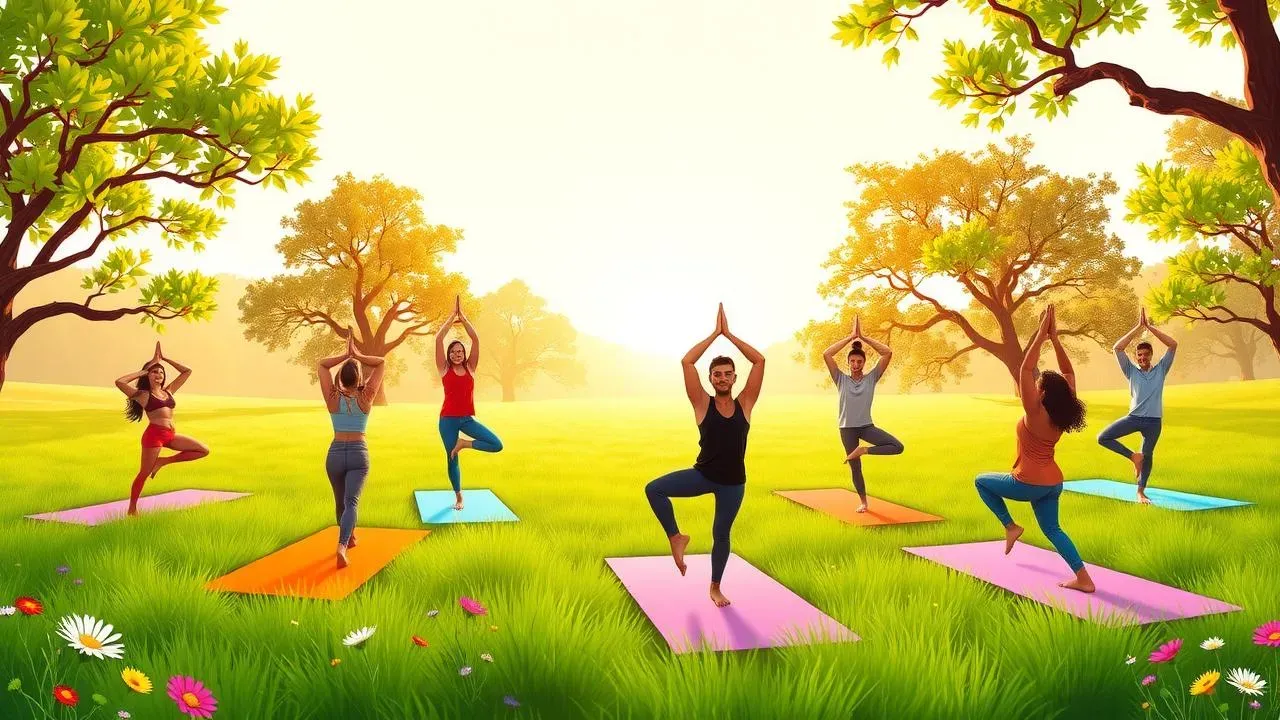
Yoga is more than just stretching; it’s a blend of movement, breathing, and meditation. Originating from ancient Indian philosophy, it has developed into various styles catering to different needs. At its core, yoga seeks to enhance physical fitness and emotional balance while promoting mental clarity. Key elements include asanas (physical postures) that get your body ready for meditation and pranayama (breathing techniques) that connect breath with life energy or “prana.” Practicing yoga helps you stay present, lifting you out of your thoughts into an awareness of your body. Its benefits range from stress relief to improved strength and flexibility, making it a valuable addition to overall wellness routines. However, beginners should take care to learn the proper techniques under qualified instructors to avoid injuries during practice.
What is Yoga and Its Origins
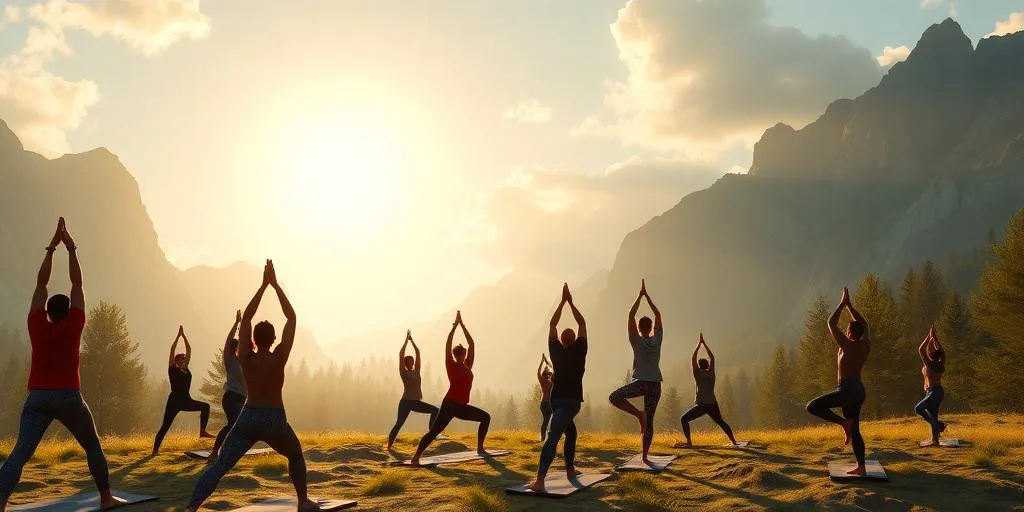
Yoga is more than just a set of physical exercises; it is an ancient practice that has its roots in India, dating back over 5,000 years. Originating from Hindu philosophy, yoga has connections to Buddhism and Jainism, reflecting a rich tapestry of spiritual traditions. The term ‘yoga’ comes from the Sanskrit word ‘yuj’, which means to unite or join, signifying a connection between body, mind, and spirit.
Initially, yoga was a spiritual journey aimed at achieving self-realization and enlightenment. Early references to yoga can be found in ancient texts like the Vedas and Upanishads, which laid the groundwork for its philosophical underpinnings. The Yoga Sutras of Patanjali are particularly significant, as they outline the principles and practices that form the foundation of yoga today.
Over the centuries, yoga has evolved, incorporating various styles and techniques that cater to the needs of practitioners. In the early 20th century, yoga made its way to the Western world, where it gained immense popularity. Today, people practice yoga globally, not just for its spiritual aspects but also for physical fitness, mental clarity, and emotional balance. While modern interpretations often focus on fitness and stress relief, the essence of yoga remains a journey towards deeper self-awareness and connection.
The Mind-Body Connection in Yoga
Yoga is all about the bond between the mind and body, and this connection is key to achieving overall wellness. When you practice yoga, you become more in tune with your physical sensations and emotional states. This heightened awareness can transform how you experience both your body and your thoughts. Mindfulness, a core element of yoga, encourages you to focus on the present moment, making your practice a time to step away from distractions and connect deeply with yourself.
As you move through various postures, or asanas, you not only improve your physical fitness but also release built-up tension, which can greatly enhance your mental well-being. For instance, when you hold a pose, you may notice areas of tightness or discomfort. Acknowledging these sensations allows you to respond to your body’s needs, fostering greater self-acceptance and emotional resilience.
Breathing techniques, known as pranayama, play a significant role in deepening this mind-body connection. By controlling your breath, you can increase your awareness of the life energy, or “prana,” flowing through you. This practice can lead to improved mental clarity and focus, allowing you to navigate daily challenges with greater ease.
Moreover, the meditative aspects of yoga help quiet the mind, creating a sanctuary for relaxation and stress relief. Regular practice can significantly reduce feelings of anxiety and promote a sense of calm, essential for long-term mental health. Ultimately, the mind-body connection nurtured through yoga supports a holistic approach to health, integrating physical, mental, and emotional well-being.
Understanding Asanas and Their Benefits
Asanas are the core physical postures in yoga, each crafted with specific benefits in mind. For instance, the Downward Dog helps stretch and strengthen the entire body, while the Warrior Pose builds stamina and focus. Tree Pose, on the other hand, enhances balance and concentration. Beyond flexibility and strength, these postures also promote relaxation, making them essential for both physical and mental well-being.
Practicing asanas can lead to improved posture and alignment, which is crucial for reducing the risk of injury in daily activities. Some poses stimulate internal organs, aiding in digestion and overall health. Inversions like the Headstand and Shoulder Stand are particularly beneficial for promoting blood circulation and enhancing energy flow throughout the body.
Restorative asanas are designed to alleviate stress and foster relaxation, allowing the body to recharge. Furthermore, incorporating deep breathing while practicing asanas can significantly improve lung capacity, contributing to enhanced overall vitality. Regularly engaging in these physical postures not only boosts fitness levels but also cultivates a sense of inner peace.
Crucially, asanas can be adapted to meet individual needs, making yoga accessible for everyone, regardless of their physical condition. This adaptability is one of the many reasons why yoga continues to grow in popularity as a holistic practice for health and wellness.
| Asana | Benefits | Notes |
|---|---|---|
| Downward Dog | Promotes flexibility and strengthens the body | Commonly used as a warm-up pose. |
| Warrior Pose | Builds strength and stability while enhancing focus | Encourages grounding and concentration. |
| Tree Pose | Improves balance and fosters body awareness | Great for enhancing focus and calmness. |
| Child’s Pose | Promotes relaxation and relief from stress | Often used as a restorative pose. |
| Headstand | Stimulates the mind and improves circulation | Should be practiced with caution, ideally under supervision. |
| Shoulder Stand | Calms the nervous system and reduces stress | Considered a restorative inversion. |
| Bridge Pose | Strengthens the back and opens the chest | Helpful for improving posture. |
| Cobra Pose | Stretches the spine and opens the heart | Good for countering slouched positions. |
| Seated Forward Bend | Promotes relaxation and stretches the hamstrings | Effective for calming the mind and easing anxiety. |
| Lotus Pose | Encourages meditation and promotes stillness | Ideal for deepening meditation practices. |
The Role of Breathing Techniques in Yoga
Breathing techniques, known as pranayama, are a vital part of yoga practice. They play an essential role in connecting the mind and body, helping practitioners regulate their breath. This regulation is closely linked to energy levels and mental clarity. For example, deep, conscious breathing enhances oxygen flow, which can improve physical performance during asanas.
Different techniques can either calm the nervous system or invigorate the body, depending on the practice’s goals. For instance, alternate nostril breathing is a specific technique that can help balance energy within the body, promoting a sense of calm and focus.
Breath control also fosters greater mindfulness, allowing individuals to synchronize their breath with movement, deepening their overall experience. This connection can lead to more profound states of meditation, making it easier to achieve that blissful thoughtless state that many seek in yoga.
Moreover, regular practice of pranayama can help reduce stress and anxiety, contributing to emotional balance. As practitioners master these techniques, they often find that their yoga practice becomes more enriching and transformative.
- Breathing techniques, or pranayama, are a crucial aspect of yoga practice.
- Pranayama helps regulate breath, which is linked to energy levels and mental state.
- Different breathing techniques can calm the nervous system or invigorate the body.
- Deep, conscious breathing enhances oxygen flow, improving physical performance.
- Breathing exercises can help reduce stress and anxiety, promoting emotional balance.
- Practitioners learn to synchronize breath with movement, deepening their practice.
- Breath control can lead to greater mindfulness and concentration during yoga.
- Specific techniques, like alternate nostril breathing, can balance energy within the body.
- Breathing techniques can also assist in achieving meditative states more easily.
- Mastering pranayama can enhance the overall benefits of yoga practice.
Present-Moment Awareness Through Yoga
Yoga encourages you to focus on the present moment, which enhances mindfulness. This focus helps reduce distractions and clears mental clutter, allowing you to truly experience each session. As you become more mindful during yoga, you may notice increased self-awareness and acceptance of yourself and your feelings. Practicing in the moment can make each pose more enjoyable and effective.
When you cultivate present-moment awareness, you also improve your emotional regulation and resilience. This means you can handle stress and challenges more effectively. Being mindful during your practice promotes a deeper connection to your body and breath, helping you observe your thoughts and feelings without judgment.
This awareness isn’t limited to the yoga mat; it can extend into your daily life, positively impacting your interactions and overall well-being. Mindfulness practices in yoga can even help you cultivate gratitude and appreciation for the little things in life. Ultimately, present-moment awareness contributes to a more fulfilling and balanced life.
Yoga’s Impact on Mental Health
Research shows that yoga can significantly improve mental health outcomes for many individuals. Regular practice often leads to reduced symptoms of anxiety and depression, making it a valuable tool for emotional well-being. Yoga promotes relaxation, which helps alleviate stress-related issues, allowing practitioners to feel more at ease in their daily lives. The combination of movement, breath, and meditation enhances mood and overall well-being, creating a balanced state of mind.
Studies indicate that yoga improves emotional regulation and resilience, equipping individuals with better coping mechanisms during challenging times. The supportive community found in yoga classes can combat feelings of isolation, fostering connections with others who share similar experiences. Additionally, many practitioners report developing a more positive self-image through their practice, which contributes to greater self-acceptance and compassion.
Mindfulness plays a crucial role in yoga, as it encourages practitioners to focus on the present moment. This shift in focus can lead to a reduction in negative thought patterns and an increase in feelings of joy and contentment. For those struggling with mental health issues, yoga can complement traditional therapies, offering a holistic approach to treatment. Overall, the mental health benefits of yoga are profound, providing a pathway to improved emotional health and personal growth.
How Yoga Affects the Autonomic Nervous System
Yoga has a significant effect on the autonomic nervous system (ANS), which controls involuntary functions like heart rate and digestion. When you practice yoga, especially through deep breathing techniques, you activate the parasympathetic nervous system. This activation promotes relaxation and healing, allowing your body to recover from stress. For instance, focusing on your breath can enhance vagal tone, which helps reduce stress responses and fosters emotional stability. Regular yoga practice can lead to improved resilience against anxiety, helping to calm the nervous system and alleviate symptoms of anxiety. Additionally, the mind-body connection that yoga nurtures supports harmonious bodily functions, leading to better sleep quality and increased energy levels. Many people find that yoga can help manage chronic pain and other conditions by creating a sense of ease within the body. Understanding the relationship between yoga and the ANS can empower individuals to integrate its benefits into their daily lives.
Exploring Different Styles of Yoga
Yoga comes in many styles, each offering something unique. Hatha yoga is a great starting point for beginners, focusing on basic postures and alignment. If you enjoy flowing movements, Vinyasa yoga might be your style, as it links breath with motion for a dynamic experience. Those looking for a challenge may find Ashtanga yoga appealing, with its rigorous set sequence of poses.
For those who like a heated environment, Bikram yoga is practiced in a warm room, promoting detoxification and flexibility through intense sweating. If you’re interested in energy work, Kundalini yoga combines postures, breath, and meditation to awaken energy at the base of the spine.
On the other hand, Yin yoga is about holding poses for extended periods, which promotes deep relaxation and introspection. Restorative yoga is gentle and nurturing, making it suitable for all levels, focusing on relaxation and recovery. If you’re after a more intense workout, Power yoga offers a fitness-based approach that can build strength and stamina.
Choosing a yoga style that resonates with your personal interests can significantly enhance your practice, making it not just a workout but a fulfilling experience.
Yoga for Chronic Condition Management
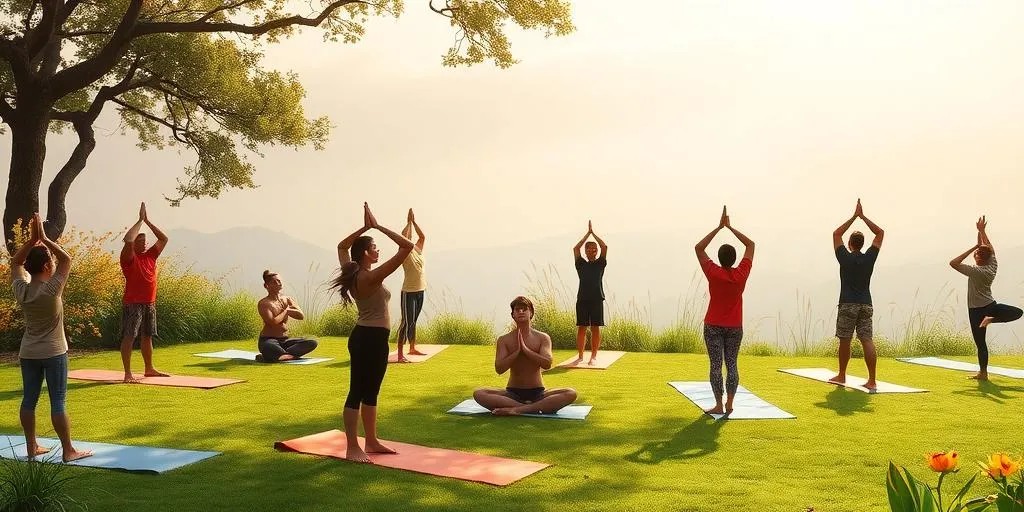
Yoga offers a gentle yet powerful approach to managing chronic conditions like asthma, diabetes, and arthritis. For instance, studies have shown that regular practice can significantly alleviate chronic pain, providing relief for those who struggle with long-term discomfort. The flexibility and mobility gained through yoga can be especially beneficial for individuals with arthritis, helping them maintain their range of motion without excessive strain. Breathing techniques, or pranayama, play a crucial role here, enhancing lung function for those dealing with respiratory issues like asthma or COPD.
Additionally, yoga’s emphasis on mindfulness can help manage stress, which is often a contributing factor to various chronic conditions. By fostering emotional well-being, yoga can support individuals facing the psychological challenges that come with long-term health issues. For people dealing with cancer-related symptoms, gentle yoga practices have been found to improve quality of life, helping them cope with the physical and emotional toll of their condition.
It’s important to note that yoga can be adapted to meet various physical limitations, making it accessible to almost anyone. However, practicing under the guidance of a qualified instructor is essential to ensure safety and effectiveness. Consulting healthcare providers before starting a yoga routine is also crucial, especially for those with existing health concerns. Research indicates that yoga can positively impact conditions such as hypertension and heart health, further emphasizing its role as a valuable complementary practice alongside traditional medical treatments.
Safety Tips for Practicing Yoga
Practicing yoga safely is essential to enjoy its many benefits without risking injury. It’s always a good idea to start under the guidance of a qualified instructor, especially if you’re new to yoga. Beginners should focus on mastering basic poses before moving on to more advanced ones. It’s crucial to listen to your body: if something feels wrong or uncomfortable, don’t push yourself. Using props like blocks and straps can help support your practice and improve your alignment, making poses more accessible.
Before diving into more intense sequences, take the time to warm up properly. This helps prevent strains and prepares your body for the movements ahead. Always pay attention to your alignment, as proper posture reduces the risk of injuries. Practicing on a non-slip surface will also enhance your safety and stability during poses.
Hydration is key, particularly during heated yoga sessions, so remember to drink water. If you have any health conditions or concerns, consult with a healthcare provider before starting your practice. Regularly assess how your body feels during and after yoga sessions, and adjust your practice as needed to keep it safe and effective.
The Growing Popularity of Yoga in the U.S.
Over the past two decades, yoga has experienced a remarkable surge in popularity across the United States. Millions of Americans now practice yoga regularly, drawn to its stress-relief benefits in our fast-paced lives. This growing interest is evident in the increasing number of yoga studios and classes popping up in cities nationwide. Social media has played a significant role in this trend, making yoga more accessible and relatable to a wider audience. Platforms like Instagram and YouTube are filled with inspiring stories, tutorials, and tips shared by both professionals and everyday practitioners, encouraging more people to join the movement.
Yoga events and festivals have become commonplace, bringing together large crowds and fostering a sense of community. Celebrities and influencers often share their yoga journeys, further motivating others to explore the practice. Additionally, the rise of online platforms offering virtual yoga classes has expanded access for those who prefer practicing at home or may not have local studios nearby.
As health and wellness trends continue to evolve, yoga has been embraced as a vital component of a balanced lifestyle. Many companies are now integrating yoga into their corporate wellness programs, promoting employee well-being and productivity. Schools and community centers are also recognizing its benefits, introducing yoga into their programs to support mental health among youth. This collective embrace of yoga reflects a growing understanding of its holistic benefits, making it an essential part of many people’s lives.
Yoga as a Complement to Medical Treatment
Yoga is increasingly recognized as a valuable addition to medical treatment plans. It effectively helps manage stress, which can have a significant impact on various health conditions. Research indicates that practicing yoga can reduce symptoms of anxiety and depression, making it a helpful supplement to traditional therapy. Many healthcare providers now recommend yoga for chronic pain management, as it supports conventional medical treatments. For instance, cancer patients often find that yoga enhances their quality of life by alleviating side effects of treatment and boosting emotional well-being. Moreover, studies suggest that yoga can improve respiratory function in individuals with asthma or COPD, further highlighting its versatile benefits.
The mindfulness aspect of yoga promotes mental resilience, allowing patients to better cope with chronic illnesses. Many practitioners report improved sleep quality, which is essential for overall health and recovery. While yoga offers numerous benefits, it is crucial to remember that it should not replace conventional medical treatments. Instead, it serves as a supportive practice that can enhance overall treatment outcomes. As the medical community becomes more open to integrative approaches, healthcare professionals are increasingly incorporating yoga into treatment plans, recognizing its holistic advantages. However, patients should consult their doctors before starting yoga, especially if they have specific health concerns, to ensure a safe and beneficial experience.
Summary of Yoga’s Benefits and Practices
Yoga offers a wide range of benefits that touch on physical, mental, and emotional well-being. Through various postures, or asanas, practitioners can build strength, flexibility, and balance, which contributes to overall physical fitness. Regular yoga practice can lead to improved mental clarity and emotional stability, helping individuals manage their feelings and stress levels more effectively. Breath control techniques, known as pranayama, play a crucial role in connecting the mind and body, promoting relaxation and reducing anxiety.
In addition to physical benefits, yoga encourages mindfulness, allowing individuals to focus on the present moment. This can help lessen distractions and enhance self-awareness. Different styles of yoga, such as Hatha, Ashtanga, and Kundalini, cater to various preferences, making it accessible to everyone, regardless of their fitness levels. For those recovering from injuries, yoga can aid in improving mobility and reducing pain, while athletes often find that it enhances their performance by increasing flexibility and strength.
Moreover, the community aspect of yoga fosters connections among practitioners, creating a supportive environment that enhances the overall experience. Beginners are encouraged to start with basic classes to build a solid foundation and prevent injuries. In essence, yoga is a versatile practice that combines movement, mindfulness, and community to promote a healthier, balanced lifestyle.
Frequently Asked Questions
What benefits can I expect from practicing yoga?
Practicing yoga can help improve flexibility, strength, and balance. It’s also known to reduce stress, increase relaxation, and promote better sleep.
How does yoga help with stress and anxiety?
Yoga combines physical poses, breathing exercises, and meditation, which can calm the mind and body, making it easier to manage stress and anxiety.
Do I need to be fit to start yoga?
Not at all! Yoga is for everyone, regardless of fitness level. You can start at your own pace and choose poses that work for your body.
What should I wear to a yoga class?
Wearing comfortable, stretchy clothing is best for yoga. You want to feel free to move without anything restricting your movements.
How often should I practice yoga to see results?
Practicing yoga a few times a week is ideal for seeing benefits. Consistency is key, so find a routine that works for you.
TL;DR Yoga is a holistic practice that merges body movement, meditation, and breathing techniques to enhance physical fitness, mental clarity, and emotional balance. It has roots in ancient Indian philosophy and includes various styles like Hatha, Ashtanga, Bikram, and Kundalini. Central to yoga are asanas (postures) and pranayama (breathing), which help connect the mind and body, promote present-moment awareness, and positively impact mental health. Scientific evidence supports yoga’s effectiveness in managing stress, anxiety, depression, and chronic health issues. Practicing safely under professional guidance is essential, as yoga can complement traditional medical treatments but should not replace them. With its growing popularity in the U.S., yoga offers a path to overall well-being and personal transformation.