Yoga and Pilates, though sometimes confused, are distinct practices that focus on different aspects of wellness.
Yoga has its roots in ancient India, spanning over 5,000 years as a blend of physical postures, meditation, and ethical principles.
In contrast, Pilates was developed in the 20th century by Joseph Pilates to enhance physical fitness and rehabilitation.
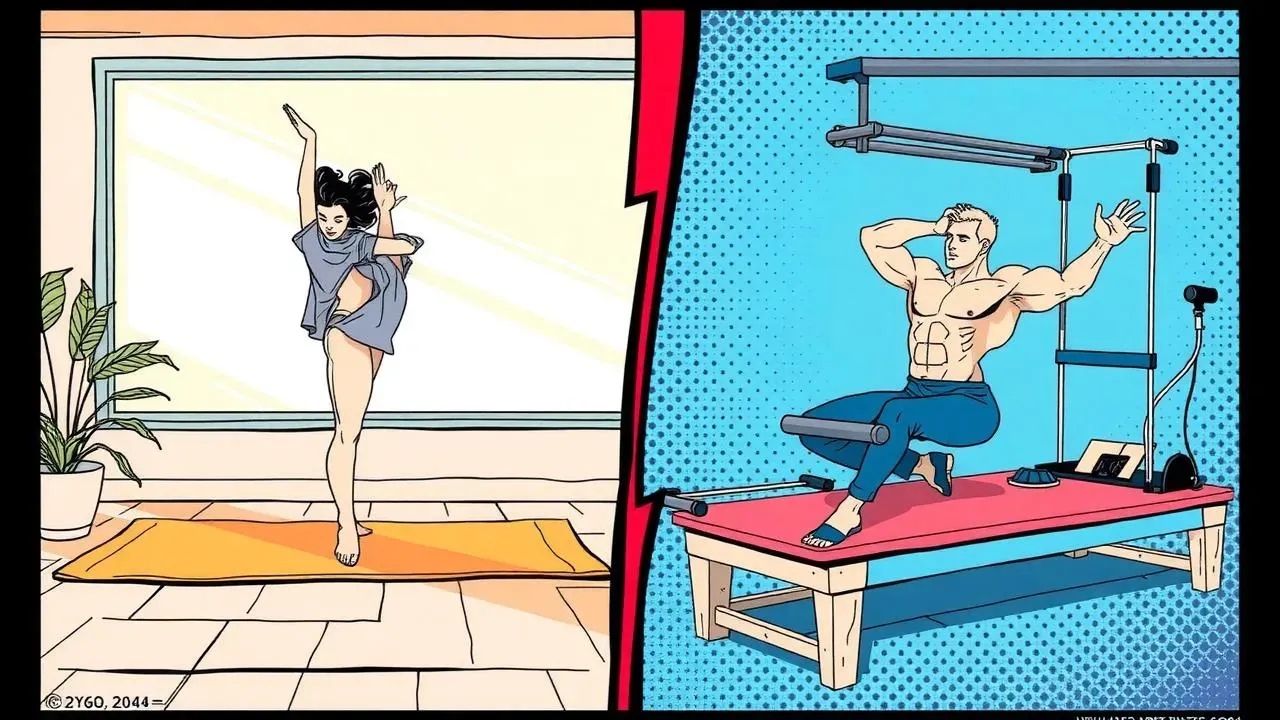
While yoga emphasizes flexibility and the mind-body connection through breathwork and meditation, Pilates focuses on core strength through controlled movements, often using specialized equipment.
Both provide significant health benefits but suit different personal goals, yoga tends to promote relaxation while Pilates focuses more on strength training.

- All-in-One Pilates Kit: This complete Yoga & Pilates Equipment Kit includes 6 essential tools: Pilates Ring, Booty Bands, Yoga Ball (10in), Figure 8 Resistance Band, elastic band, and Yoga Strap – perfect for toning, stretching, and building core strength at home or on the go.
- Premium Quality & Durability: Made with eco-friendly TPE material and latex-free resistance bands, our pilates home kit is designed to withstand daily use without losing elasticity. The non-slip surface ensures safety during intense workouts.
- Beginner to Pro-Friendly: Whether you’re new to Pilates or a seasoned yogi, our Pilates Essentials Kit for Women have your workout covered! With these pilates kit for home workouts you can perform more than 30 exercises for your hips, legs, arms and core.
- Portable & Space-Saving: Lightweight and compact, this home pilates kit fits easily in your gym bag or closet. The included storage bag keeps everything organized, making it ideal for home workouts, travel, or studio sessions.
- Popular Gifts: Pilates sets are a hit with women and make excellent holiday presents. We offer styles specially designed for mothers, perfect gift for birthdays, Christmas, Easter, and Mother’s Day.

Last update on 2026-02-01 / Affiliate links / Images from Amazon Product Advertising API
Understanding Yoga and Pilates
Yoga and Pilates are both popular practices that aim to enhance physical and mental wellness through movement, but they approach this goal in different ways.
Yoga, with its roots in ancient India, integrates physical poses (asanas) with breathing techniques and meditation, creating a holistic experience that nurtures both body and spirit.
In contrast, Pilates, developed in the early 20th century by Joseph Pilates, focuses on controlled movements designed to strengthen the core and improve overall fitness.
While both practices can help improve posture, body alignment, and flexibility, they cater to different needs and preferences.
Yoga often encourages practitioners to explore their inner selves, incorporating philosophical teachings and a mindful approach.
This makes it appealing to those seeking a deeper connection between mind and body.
Pilates, on the other hand, is more about physical conditioning, emphasizing precision and stability in movements.
Each practice can be tailored to suit individual fitness levels, making them accessible to a wide range of people.
Both yoga and Pilates can be practiced in group classes or individually, offering flexibility in training.
For example, a person might choose a calming restorative yoga class to unwind after a long day, while another might opt for a dynamic Pilates session to build core strength.
The key takeaway is that while Yoga and Pilates share some similarities, they are not the same.
They each offer unique benefits, and many people find that practicing both can create a well-rounded fitness routine.
- Both practices enhance physical and mental wellness through movement.
- Yoga integrates physical poses with breathing techniques and meditation.
- Pilates emphasizes controlled movements for core strength and overall fitness.
- Both can improve posture, body alignment, and flexibility.
- Practicing either can lead to increased body awareness and mindfulness.
- Yoga is often seen as a holistic approach, while Pilates focuses on physical conditioning.
- Both practices can be tailored to suit individual fitness levels and goals.
- They can be practiced in group classes or individually, providing flexibility in training.
- Yoga often incorporates philosophical teachings, while Pilates remains more focused on physicality.
- Both can complement each other, offering a well-rounded fitness routine.
Origins of Yoga and Pilates
Yoga has roots in ancient Indian philosophy, tracing back over 5,000 years.
The earliest texts, called the Vedas, discuss meditation and various physical postures, showcasing how yoga encompasses a deeper spiritual and philosophical practice.
It has evolved over the centuries, adapting to different cultures and integrating new practices.
In contrast, Pilates was developed in the early 20th century by Joseph Pilates, who was influenced by his background in gymnastics and body mechanics.
He initially created this method to rehabilitate injured soldiers during World War I, focusing on physical conditioning and fitness.
While yoga emphasizes the connection between mind, body, and spirit, Pilates is primarily rooted in physical health and draws less from spiritual traditions.
Today, both practices have gained immense popularity worldwide, adapting to modern fitness needs while continuing to evolve.

- Angell, Harri (Author)
- English (Publication Language)
- 192 Pages – 02/04/2025 (Publication Date) – Green Tree (Publisher)
Last update on 2026-02-01 / Affiliate links / Images from Amazon Product Advertising API
Focus Areas of Yoga and Pilates
Yoga and Pilates each have their unique focus areas that cater to different aspects of wellness.
Yoga emphasizes flexibility, balance, and the vital connection between mind, body, and spirit.
Practitioners often use deep breathing techniques and meditation to promote relaxation and stress relief.
With various styles available, yoga can adapt to different physical and emotional needs, helping individuals find peace and clarity.
On the other hand, Pilates centers around core strength, muscle toning, and stability through precise movements.
It promotes controlled and dynamic exercises that challenge stability while emphasizing proper alignment.
This focus on core strength not only enhances muscle tone but also helps prevent injury, making Pilates an excellent choice for rehabilitation and fitness improvement.
Both practices encourage body awareness and proper alignment, but they approach these goals from different angles.
Movement and Structure Differences
Yoga and Pilates differ significantly in their movement styles and structure. In yoga, practitioners typically hold static poses for various durations.
This practice emphasizes breath and mindfulness, creating a connection between the body and mind.
For instance, a yoga class might guide you through a series of poses, such as Downward Dog or Warrior, encouraging you to focus on your breathing as you hold each pose.
This approach can be very meditative, often promoting a sense of inner peace and relaxation.
On the other hand, Pilates involves dynamic movements that focus on core engagement and stability.
Exercises like the Hundred or the Roll-Up are performed in a flowing sequence, requiring strong focus on form and alignment.
Unlike yoga, which can vary in intensity, Pilates classes often follow a structured format, prioritizing specific goals such as muscle targeting and improved stability.
This makes Pilates generally more physically intense, as it challenges the body in ways yoga does not.
Equipment Used in Yoga and Pilates
Yoga is known for its simplicity and requires minimal equipment.
A yoga mat is essential for cushioning and support during various poses, and practitioners may also use props such as blocks and straps.
These props help deepen stretches and enhance alignment, making yoga accessible for individuals at different skill levels.
On the other hand, Pilates often involves specialized equipment such as reformers, stability balls, and resistance bands.
The reformer, for example, offers resistance that supports strength training and allows a full range of movement.
While both practices can be done without equipment, using these tools can significantly enrich the experience.
Pilates equipment not only adds resistance but also guides practitioners in maintaining proper form, a crucial factor for effective workouts.
In summary, the equipment used in yoga and Pilates serves distinct purposes, enhancing the effectiveness of each practice.
Health Benefits of Yoga and Pilates

Both yoga and Pilates offer a range of health benefits that contribute to overall physical and mental well-being. Practicing either can enhance flexibility, improve posture, and increase body awareness.
Yoga is primarily known for its ability to reduce stress and anxiety, promoting relaxation and improving sleep quality.
On the other hand, Pilates is highly effective for building core strength and toning muscles, making it an excellent option for those looking to enhance their physical fitness.
In addition to physical benefits, yoga’s meditative aspects can boost mental clarity and emotional resilience.
This makes it a popular choice for individuals seeking not just physical improvement, but also mental peace.
Pilates, with its focus on functional movement, can make everyday activities easier and more efficient, which is particularly beneficial for those recovering from injuries.
Both practices are accessible to individuals of all ages and fitness levels, and regular engagement can lead to improved mobility and joint health.
Whether you choose yoga for its mindfulness and stress-relief benefits or Pilates for its core-strengthening and muscle-toning effects, integrating either practice into your routine can contribute significantly to your overall health.

- Freedman, Francoise Barbira (Author)
- English (Publication Language)
- 512 Pages – 12/07/2016 (Publication Date) – Southwater (Publisher)
Last update on 2026-02-01 / Affiliate links / Images from Amazon Product Advertising API
Types of Yoga and Pilates
Yoga offers a variety of styles, each with its own focus and benefits. Hatha yoga is great for beginners, emphasizing basic poses and breathing techniques.
If you’re looking for a more dynamic practice, Vinyasa yoga connects breath with movement in a flowing sequence.
For those who enjoy a rigorous workout, Ashtanga yoga follows a set sequence of poses that can be pretty challenging.
On the other hand, Restorative yoga promotes relaxation and healing, using gentle poses and props to support the body.
Pilates also comes in different formats, primarily mat-based or machine-based.
Classical Pilates sticks closely to Joseph Pilates’ original exercises, focusing on core strength and precise movements.
In contrast, Contemporary Pilates incorporates modern fitness principles, enabling greater modifications and adaptations.
Both yoga and Pilates can be tailored to suit individual needs, whether you are pregnant, recovering from an injury, or a senior looking for gentle movement.
The Spiritual Aspect of Yoga
Yoga is much more than just a series of physical postures; it encompasses a rich spiritual dimension that many practitioners find transformative.
Central to this practice are spiritual teachings and ethical principles that guide individuals on their journey towards self-discovery and personal growth.
Meditation and mindfulness play key roles in various yoga styles, allowing practitioners to cultivate a deeper connection to themselves and their surroundings.
Concepts such as non-attachment, compassion, and gratitude are woven into the fabric of yoga philosophy, encouraging a holistic approach to wellness that unites the mind, body, and spirit.
Many people report experiencing spiritual growth and healing through their yoga journey, finding a sense of community and connection with others who share similar values.
This supportive environment fosters a space where individuals can explore their inner selves, leading to greater mental clarity and emotional stability.
While yoga is often pursued for its physical benefits, its spiritual aspects can enhance the overall experience, making it a unique practice that transcends mere exercise.
Practitioner Experience in Both Practices
Practitioners of yoga often find themselves in diverse environments, with classes ranging from gentle restorative sessions to high-energy power yoga.
This variety caters to different preferences, allowing individuals to choose what best fits their mood or fitness goals.
For example, someone may prefer a calming yin yoga class one day and opt for a more vigorous vinyasa flow the next.
The community aspect of yoga is also significant, as many practitioners enjoy connecting with others, sharing experiences, and supporting each other on their wellness journeys.
On the other hand, Pilates classes tend to be more structured, focusing on specific exercises to achieve particular fitness goals.
The precision required in Pilates often attracts individuals who appreciate a clear framework for their workouts.
For instance, someone recovering from an injury might engage in focused Pilates sessions designed to strengthen core muscles and improve stability.
While Pilates emphasizes individual performance, it still offers opportunities for personal expression, as practitioners can modify movements to suit their needs.
Both practices foster personal growth and increased body awareness.
Yoga encourages relaxation and mindfulness, helping practitioners feel more in tune with their bodies and minds, while Pilates provides an energetic environment that promotes focus and strength.
Ultimately, whether one is drawn to the spiritual and community-oriented vibe of yoga or the targeted, fitness-focused nature of Pilates, both experiences can be enriching and transformative.
Cross-Training with Yoga and Pilates
Many people find that combining yoga and Pilates can truly enhance their overall fitness routine.
Yoga’s focus on flexibility and relaxation can significantly improve your Pilates practice, enabling deeper stretches and better flow.
Conversely, Pilates focuses on strengthening the core, which can enhance stability in various yoga poses.
Practicing both can create a well-rounded approach to physical health, addressing strength, flexibility, and mindfulness.
Cross-training in these two disciplines can also help prevent injuries by balancing strength and flexibility.
The mindfulness aspect of yoga can enhance your focus during Pilates workouts, making them more effective.
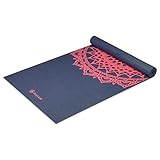
- LIGHTWEIGHT YOGA MAT: These durable, yet extremely lightweight exercise yoga mats give you just the right amount of cushioning your joints need during any yoga or fitness routine
- STICKY NON-SLIP TEXTURE: Yoga mat features a textured sticky non-slip surface for excellent traction and superior grip and a stylish design to keep you motivated and focused
- NON-TOXIC and 6P FREE – PVC yoga mat is a healthier choice for you and the planet and free of DEHP, DBP, BBP, DINP, DIDP and DNOP (Note: For best results unroll and air out your mat for 2-3 days before use – a harmless odor may be present when unwrapped)
- FREE YOGA CLASS: Yoga mat purchase includes a free bonus downloadable yoga workout to help get you started
- DIMENSIONS: 68-Inch x 24-Inch x 4mm Thick
Last update on 2026-02-01 / Affiliate links / Images from Amazon Product Advertising API
Frequently Asked Questions
What is the primary focus of yoga?
Yoga mainly focuses on flexibility, strength, and breathing techniques while promoting mental calmness and spiritual growth.
How does Pilates differ in its approach to fitness?
Pilates focuses on core strength, posture, and alignment, emphasizing precise movements and control over your body.
Can you do both yoga and Pilates together?
Yes, many people enjoy combining yoga and Pilates for a well-rounded fitness routine that includes flexibility, strength, and mindfulness.
Are there different styles of yoga that affect how it is practiced?
Absolutely, there are many styles of yoga, such as Hatha, Vinyasa, and Ashtanga, each with its own pacing and techniques.
Do yoga and Pilates provide similar health benefits?
Both yoga and Pilates offer benefits like improved flexibility, core strength, and stress relief, but they achieve these through different methods.
Yoga and Pilates are unique practices with distinct origins, focuses, and benefits.
Yoga, originating from ancient India, emphasizes flexibility, balance, and spiritual connection through poses and meditation.
Pilates, developed in the early 20th century, focuses on core strength and controlled movements, often using specialized equipment.
While both improve flexibility and posture, yoga is known for reducing stress, while Pilates is great for rehabilitation.
Each offers various styles and experiences, making them complementary options for cross-training.