Yoga Poses for Flexibility: What Actually Works?
Flexibility plays a key role in our overall health and well-being, especially as we get older or lead less active lives.
Practicing yoga can significantly improve flexibility by stretching tight muscles and helping our joints move more freely.
Think of how many daily activities rely on flexibility; it’s really important! Some specific poses work wonders, like the Intense Side Stretch or Child’s Pose, making them perfect for enhancing your range of motion.
Plus, these poses do more than just stretch; they help reduce tension, improve posture, and even relieve pain. Integrating just a few of these into your routine can yield amazing benefits over time.

- Comprehensive Yoga Deck; 108 yoga sequence cards with over 120 yoga poses and 12 sequences; Yoga for beginners, teachers, and instructors; One of the unique yoga gifts for women or any yoga lover
- Extra-Large And Easy-to-Read; Durable premium quality workout cards with luxurious linen texture and beautiful yoga poses illustrated in bright rainbow colors
- Beginner-Friendly; Asana flash cards with poses and names in Sanskrit and English; Easy to use exercise cards for women and men with color-coding and indicators for skill, strength, and chakra
- Yoga Teacher Tool; With yoga cards you can create an instructional yoga workout for beginners and experienced practitioners alike; Clear, easy to read yoga cues and color-coded pose categories support yoga sequencing
- For Anyone, Anywhere; Create a pose sequence of any skill level to suit your needs; Yoga flash cards deck is one of the useful yoga accessories that supports learning yoga at home or on the go
Last update on 2026-09-25 / Affiliate links / Images from Amazon Product Advertising API
Understanding Flexibility in Yoga
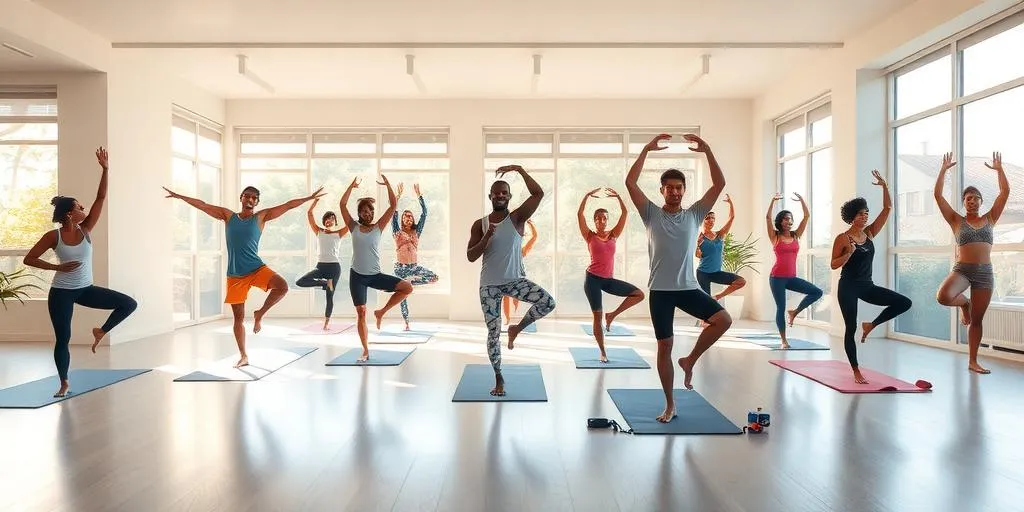
Flexibility is more than just how far you can stretch; it’s about how well your body moves and functions. Regular yoga practice can significantly enhance your flexibility, helping to counteract stiffness that often comes with age or a sedentary lifestyle.
Flexibility involves both muscles and joints, and yoga effectively addresses both aspects. Different types of yoga can also target flexibility in unique ways.
For example, Yin yoga emphasizes deep stretching, allowing for a more profound release of tension and tightness in the body.
Moreover, improved flexibility can enhance athletic performance, making movements more efficient and reducing the risk of injury by preparing muscles and joints for activity.
The mind-body connection fostered through yoga practice leads to better awareness of your body’s limits, helping you to push yourself safely.
Flexibility training doesn’t just stand alone; it complements strength training, creating a balanced fitness routine that promotes overall health.
As you progress, remember that flexibility is a journey, not a destination. With consistent practice, you’ll notice gradual improvements that contribute to your well-being.
Benefits of Being Flexible in Yoga
Flexibility in yoga comes with a range of benefits that can enhance your practice and overall well-being. First, increased flexibility allows a greater range of motion in your joints, which can improve athletic performance.
Whether you’re running, swimming, or playing sports, being flexible can help you move more freely and efficiently.
Additionally, improved flexibility often results in better alignment in yoga poses, making your practice more effective and enjoyable.
Another significant advantage is pain reduction. Flexible muscles help alleviate tension, which can ease chronic pain conditions like lower back pain. This is essential for those who spend long hours sitting or engaging in repetitive movements.
Moreover, a flexible body tends to recover faster after workouts, reducing soreness and stiffness and promoting a more active lifestyle.
Flexibility also plays a role in mental health. Practicing flexibility in yoga encourages relaxation, helping reduce stress and anxiety.
When your body feels flexible and free, it can positively impact your emotional state, helping you adapt better to life’s challenges. This emotional flexibility can enhance your resilience and overall outlook.
Lastly, being flexible can lead to a more confident body image. As you progress in your practice and notice improvements in your flexibility, you may feel more positive about your body and its capabilities.
This can encourage you to engage in other physical activities, such as dancing or martial arts, further enhancing your fitness journey.
Top Yoga Poses for Flexibility
When it comes to enhancing flexibility, specific yoga poses can make a significant difference. The Intense Side Stretch helps relieve tension in the spine while effectively stretching the hamstrings, making it a great choice for those looking to improve their lower body flexibility.
If you’re focused on your hamstrings, the Head-to-Knee Pose is excellent for increasing flexibility and calming the mind, which can help relieve stress.
For warming up the spine and improving posture, the Cat-Cow Pose is a fantastic option. This gentle flow not only enhances spinal flexibility but also prepares your body for more intense stretches.
On the other hand, the Bow Pose stretches the front of the body and strengthens the back muscles, promoting a balanced approach to flexibility and strength.
If hip flexibility is your goal, try the Low Lunge. This pose can be easily modified to suit all skill levels, making it accessible to everyone.
For a deeper stretch that opens the hips and promotes deep breathing, the Wide-Angle Seated Forward Bend is a great choice, and using props can help you find comfort in the pose.
The Cow Face Pose is perfect for releasing tension in the shoulders and improving upper-body flexibility, making it a favorite among those who spend long hours at a desk.
If you’re looking for a more challenging pose, the Plow Pose provides a deep stretch for the back and neck, but be cautious if you’re new to yoga.
For a restorative option, Child’s Pose allows for deep relaxation while stretching the back, making it a great way to unwind.
Lastly, Downward-Facing Dog is a foundational pose that engages the entire body, effectively improving flexibility in the hamstrings and calves while also building strength in the arms.
| Yoga Pose | Benefits |
|---|---|
| Intense Side Stretch (Parsvottanasana) | Stretches spine, hips, and legs; benefits posture and digestion. |
| Head to Knee Pose (Janu Sirsasana) | Enhances flexibility in the back, hips, and thighs; increases blood flow and serves as a stress reliever. |
| Cat-Cow Pose (Bitilasana Marjaryasana) | Improves mobility in the spine and core; aids in spinal flexibility and relieves tension. |
| Bow Pose (Dhanurasana) | Stretches core muscles and back; enhances flexibility and strength. |
| Low Lunge (Anjaneyasana) | Opens hips and builds muscle strength; alleviates sciatica symptoms. |
| Wide-Angle Seated Forward Bend (Upavistha Konasana) | Enhances flexibility in the hips, lower back, and hamstrings; can be deepened with props for comfort. |
| Cow Face Pose (Gomukhasana) | Stretches the shoulders, chest, and arms; improves upper-body flexibility. |
| Plow Pose (Halasana) | Relieves tension in the neck, shoulders, and spine; avoid if new to yoga or experiencing neck issues. |
| Child’s Pose (Balasana) | Relieves tension in shoulders, hips, and lower back; a calming pose for relaxation. |
| Downward Facing Dog (Adho Mukha Svanasana) | Stretches the entire body, with a focus on the hamstrings and calves; strengthens the arms and improves overall flexibility. |

- HOME YOGA GUIDE: This poster illustrates the postures of the primary series. wall chart designed as a visual guide to take the yoga enthusiast through classic physical poses and stretches.
- GALLERY QUALITY PRINTING: Natural solar white, 100 lb. linen canvas is used to print each of our premium posters. This canvas is ideal for producing high-end art pieces as it allows the vivid colors and image to pop against the canvas-like surface.
- WITH FRAME CONVENIENT: you will receive a yoga pose poster with natural wood frame, our fitness posters can be hung anywhere .
- The beautiful, easy to follow fitness poster is a great addition to any home gym, office, yoga studio, rec center, pilates gym, or hotel fitness center. Should be hanging on every Yoga studio’s wall!!
- Poster size: 16″ W x 27″ H,Waterproof for resistance against drinking fountain splash, sweat, cleaning supplies
Last update on 2026-09-25 / Affiliate links / Images from Amazon Product Advertising API
Tips for Enhancing Flexibility Through Yoga
To enhance your flexibility through yoga, consistency is essential. Make a commitment to practice regularly, as improvements come with time and dedication. Before diving into your stretches, always warm up your body.
This prepares your muscles, reducing the risk of injury. Incorporate a variety of poses that target different muscle groups; this way, you’ll develop balanced flexibility throughout your body. Staying hydrated is also crucial, as proper hydration supports muscle function and aids recovery.
While practicing, focus on your breathing. Deep breathing can help you relax and release tension, allowing your body to stretch more effectively.
Alignment matters too; pay close attention to how you position your body in each pose.
This not only maximizes the benefits but also helps prevent strain. If you’re new to yoga, consider joining a class or following online tutorials to learn the correct techniques.
Keeping a yoga journal can be beneficial, as it allows you to track your progress and reflect on your experiences.
Set realistic goals for your flexibility journey and celebrate your small victories along the way.
Remember, everyone’s body is different, so don’t compare yourself to others.
Focus on your own progress and comfort level.
- Consistency is key; practice regularly to see improvements in flexibility over time.
- Warm up before stretching to prepare the muscles and prevent injury.
- Incorporate a variety of poses that target different muscle groups for balanced flexibility.
- Stay hydrated, as proper hydration supports muscle function and recovery.
- Use deep breathing to enhance relaxation and help your body release tension during poses.
- Pay attention to alignment in each pose to maximize the benefits and prevent strain.
- Consider joining a class or following online tutorials to learn proper techniques.
- Keep a yoga journal to track progress and reflect on your experience.
- Set realistic goals for your flexibility journey and celebrate small milestones.
- Don’t compare yourself to others; focus on your own progress and comfort level.
Common Mistakes to Avoid in Yoga for Flexibility
One of the most common mistakes in yoga for flexibility is forcing your body into a pose. It’s essential to listen to your body and respect its limits. Pushing too hard can lead to injuries, so always honor how your body feels.
Skipping warm-ups is another pitfall; starting cold can strain muscles and lead to injury. Additionally, be cautious with hyperextension.
While it may feel satisfying to push your limits, it can damage your joints if you’re not careful.
Breathing is crucial in yoga, yet many neglect it, leading to unnecessary tension. Focus on taking deep, even breaths throughout your practice to help you relax.
Rushing through poses is another mistake that minimizes the benefits of each stretch.
Take your time to fully experience each position and allow your muscles to adapt. Ignoring discomfort can lead to injury; it’s important to differentiate between discomfort and pain, as the latter could signal a serious issue.
Many yogis focus solely on flexibility, forgetting that strength is equally important. This imbalance can lead to injuries down the line.
Also, skipping recovery days can hinder progress and lead to overuse injuries. Remember that your body needs time to recover and adapt.
Proper alignment is vital, as disregarding it can cause strain and reduce the effectiveness of your stretches.
Lastly, not using props like blocks or straps can limit your ability to achieve poses safely. Props can help you maintain proper form and deepen your stretches without risking injury.

Last update on 2026-09-25 / Affiliate links / Images from Amazon Product Advertising API
Creating a Routine for Flexibility in Yoga
To develop a successful routine for flexibility in yoga, it’s essential to set a regular practice schedule, even if it’s just 15 to 20 minutes a day.
Consistency is key, so finding a time that works for you can make a big difference. Incorporate a mix of poses that target various muscle groups to ensure a balanced approach to flexibility.
For example, you might focus on hip openers one day and back stretches the next, allowing different areas of your body to recover while still making progress.
Starting and ending each session with mindfulness or meditation helps center your thoughts and enhances the benefits of your practice.
Consider creating a playlist of calming music to set a peaceful atmosphere and make your routine more enjoyable. You can also use online resources or apps for guided flexibility routines, which can provide structure and variety.
Joining a community or finding a partner can keep you motivated and accountable. It’s always easier to stick to a routine when you have someone to share the journey with.
As you progress, gradually increase the intensity and duration of your stretches.
Remember to record your progress, as tracking improvements can be a great source of encouragement.
Finally, be patient with yourself; flexibility takes time to develop, so enjoy the journey and celebrate small victories along the way.
Last update on 2026-09-25 / Affiliate links / Images from Amazon Product Advertising API
Frequently Asked Questions
Which yoga poses are the best for improving flexibility?
Some of the best yoga poses for flexibility include Downward Facing Dog, Triangle Pose, and Pigeon Pose. These poses stretch various muscle groups and can help improve your overall flexibility.
How often should I practice yoga for flexibility?
To see improvements in flexibility, aim to practice yoga at least 2 to 3 times a week. Consistency is key, as regular practice helps your muscles adapt and stretch more effectively.
Can beginners do these flexibility yoga poses?
Yes, beginners can definitely try these poses! Start slowly and listen to your body. Modifications and props, such as blocks, can also help make the poses more accessible.
How long should I hold each yoga pose for flexibility?
Holding each yoga pose for about 20 to 30 seconds is usually a good idea. This gives your muscles enough time to relax and stretch without pushing too hard.
Will yoga alone make me flexible, or should I do other exercises too?
While yoga is excellent for flexibility, combining it with other forms of exercise, like strength training or cardio, can enhance your overall fitness and flexibility.
Flexibility is essential for physical fitness and overall health, and yoga can significantly improve it. Key benefits include a greater range of motion, reduced muscle tension, and better posture.
Effective poses for enhancing flexibility include Intense Side Stretch, Head-to-Knee Pose, and Downward-Facing Dog, among others.
To maximize results, practice gentle poses, use props, focus on breathing, and hold stretches for at least 30 seconds.
Remember, improving flexibility takes time and patience, so listen to your body and enjoy the journey.




6 Comments